Two Lost Souls

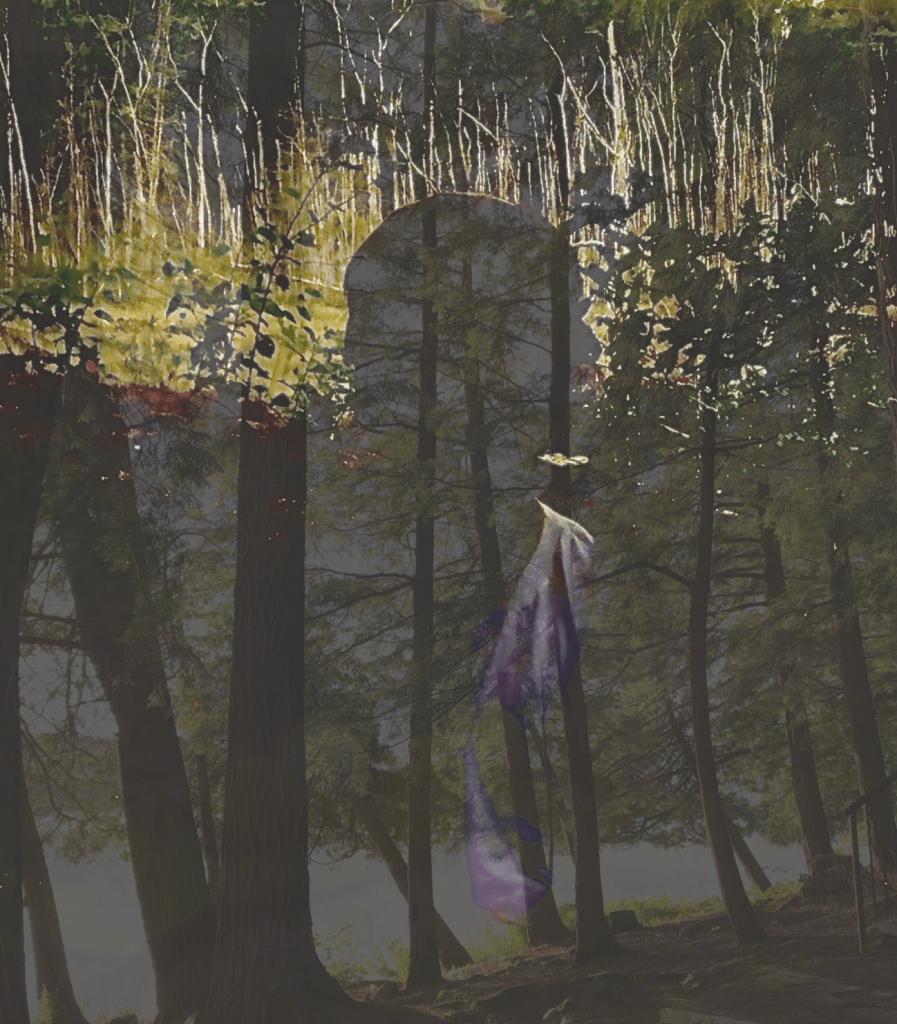
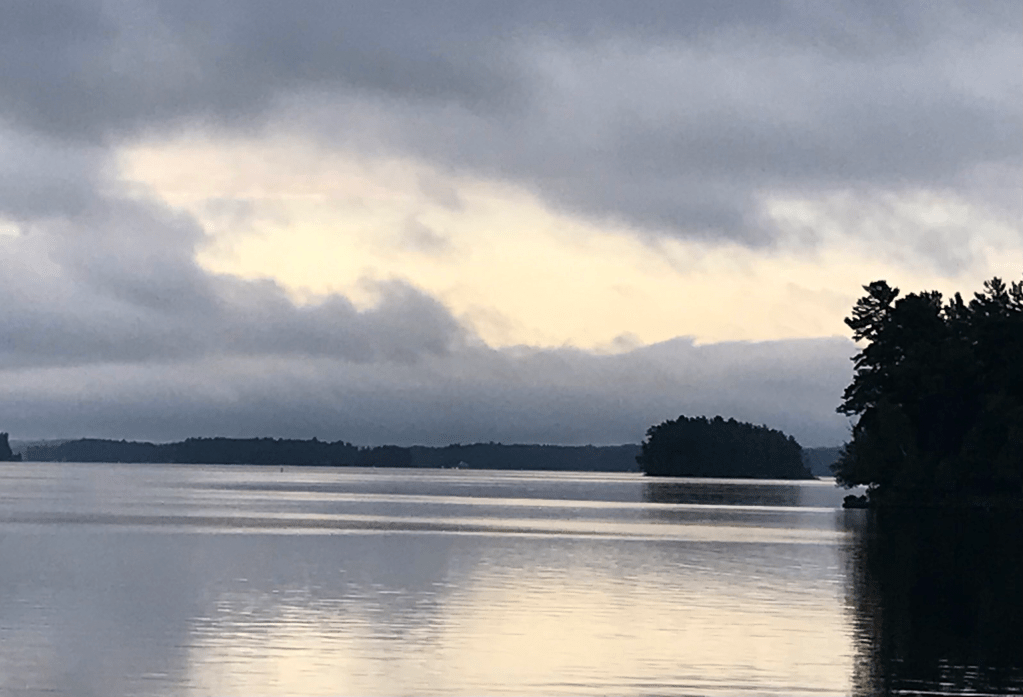
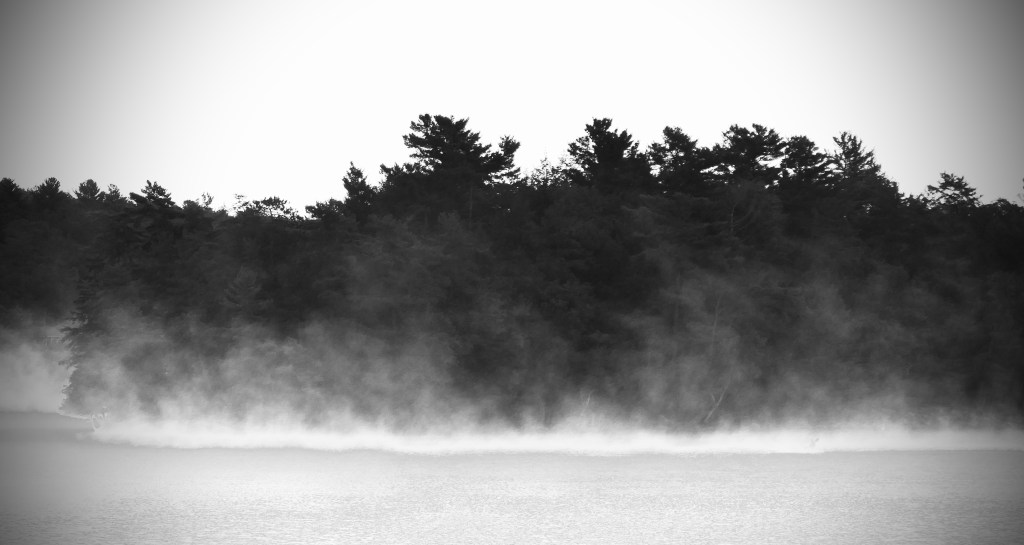
One morning, in late August, the lake was shrouded in mist. Looking out on the water, the low  clouds reminded me of a veil between the living and the dead. I thought about the children who died off the shores of this property….

The History Of A House And The Tragedy That Happened 

In 1908 James Stroud had a “cottage” built at the end of an Island, on one of Muskoka’s 1,600 lakes. The house was grand: made partly of stone and steel, with gardens and paths surrounding the property. Fireplaces were in many of the rooms: four on the main floor and one in almost all 7 of the bedrooms. There was a grand staircase: a sweeping set of steps that split off into two smaller flights going in opposite directions.
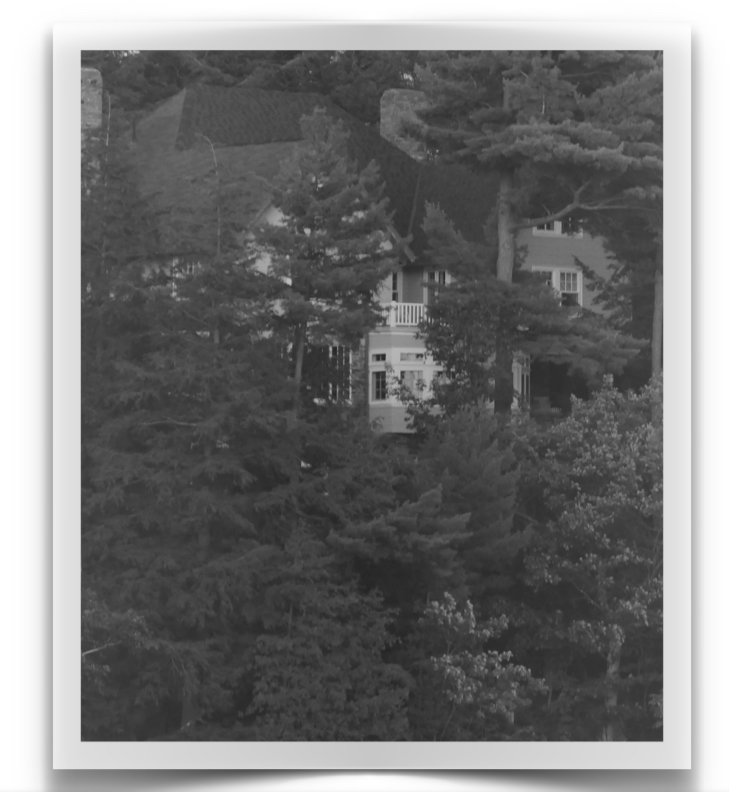

At the back of the house were two more set of stairs: the first gave the servants easy access to the kitchen from their room upstairs; the second went down to a room in the basement. A dumb waiter moved things up and down from the ground level to the kitchen. The doors at the back of the house were those the domestic help used, as they gave easy access to the other side of the estate. There was an incinerator on the opposite bank of the property, down the hill, beside the lake, where trash was set afire. Things that could not burn were placed nearby.   

The owner, James, had two grown children: James (Jimmy) and Martha. The son never had a family of his own. His sister, however, married and had two children: Anna and William. Three years after the cottage was built, while  perhaps playing a game of hide and seek, the seven year old girl and her five year old brother ran away from their nanny: down the hill, toward the paths near the incinerator. Sadly, this playfulness ended in tragedy. Their little bodies were found in the water with their arms wrapped around one another, as if in an embrace. This is how I pictured them when I heard the story. An assumption was made that Anna who was older, went in to save her sibling and they both drowned.

How My Family Become Part Of This Story

In the late 1930’s, James died in his summer home, a place that he loved. The house was left to his son Jimmy, as Martha  (although she still vacationed nearby) did not want to be reminded of the devastation from years before. 20 some years later the property was left to my grandfather because Jimmy had no heirs.My father’s family started spending summers in the Muskoka region.

In the 1960’s my grandparent’s built a small cottage on the other side of the island from the one built in the early 20th century. The two houses became known as the “big cottage” and “little cottage”. When I was young, my immediate family spent our summers in what we called the “little cottage”; it was all one level with three bedrooms. My father’s parents stayed in the  “big cottage”. My uncle would come up for a while every summer. When I was 13 my grandparents decided that they would prefer to stay in the smaller house. The younger generations now had summer residence in the big cottage. 

Strange Happenings

At the age of 14 some friends and I decided to play Ouija. None of us knew the rules…as I played, my fingers, and those of my friends, hovered above the planchette. Playing the game  mostly “yes” and “no” question were asked. The little wooden plank flew across the board with no one touching it. We all assumed we had contacted Anna and William because one of them couldn’t spell. I don’t remember saying goodbye, we weren’t aware we should.

One night, the same summer, a good friend and I were sitting in one of the old wooden, luxurious, boats that Jimmy had owned. This was a comfortable place to sit and listen to the party on the island across from ours; an event that we were not quite old enough to attend. While we were waiting for the gathering to start, the two of us talked in the quiet night. All of the sudden, out of the dark night, we heard a young melodic voice way say “Moooooommy“.We looked at each other and realized the haunting sound was heard by us both. We were scared because there were no other children living near by. It wasn’t an echo we heard but what was it? As in a horror movie, we didn’t choose the smart thing to do by running up the lighted path to the cottage. Instead, the two of us agreed that sitting in the old boat was a bad plan…we moved to one which we could drive, waiting to hear the words again.

At the big cottage there were unexplained things that happened: screen doors that slammed, when I was at the house alone; the feeling that someone had walked into the room, but no one was there… At the age of 20, the cottage felt quiet.  I said to my sister, “I don’t feel a presence here anymore.” That night, while lying in bed, my lamp fell over by itself: an entity telling us of its presence. Was it old Mr. Stroud who had died there or was it one of the children? 

As the years went by, my uncle married and started to bring his wife and three step children up to the little cottage. Eventually they had two girls of their own. In my early adult life, I wasn’t able to spend much time in Muskoka. Something odd happened to my uncle’s family This is what I was told: One night, as everyone slept, the babysitter who was up for the summer (to help with the 5 children) awoke.   She saw two little “girls” in white dresses, roaming the house.  Assuming they were  my Aunt and Uncle’s youngest children, she followed them. Down the stairs they went, then out into the night and disappeared.  These were not my cousins, but the children from so long ago. Apparently, the baby sitter was pale and shaking when she recounted what had  happened.

By the mid-1990’s my grandparents stopped going up to Muskoka; it was decided to sever the property and sell the side that the big cottage was on.  The upkeep was too much money and we hadn’t kept the house in the splendor it deserved. My uncle and his family bought another summer residence on the same lake. We continue to go up to the little cottage, which is now bigger because my sister, brother and I all have our own families. On our property strange events have still occurred. One night, several summers ago, my husband awoke to a light brushing across his cheek and a soft voice calling his name.

 In May of 2020, my youngest daughter and I went to stay at my mother’s home. We hadn’t seen her and Paul (her significant other) since the world locked down. That evening, we had dinner with them, on their back deck. As the sun was setting we told stories about things that go bump in the night.  I started to tell my Ouija story.  As these words were spoken by me: “…we all assumed that the two children who had died along the shore, years before, had been contacted”  Paul looked over in shock. He said, “Two children drowned just off your property? I’ve seen them, on the road, wearing white dresses.”

The paranormal activities at our cottage continue to take place. When the border into Canada reopened in the summer of 2021, we went to our beloved cottage. My eldest daughter drove up with two friends. Around 3 or 4 in the morning, one of the young ladies woke up screaming.  At the same time in a bedroom over the boathouse, my youngest daughter was awakened by the clock radio turning on; there was no music, only the sound of gurgling.

Today we met my mother and Paul for lunch. They had arrived back from Canada two weeks ago. We were talking about this story. My mother said, “maybe you could say: perhaps they are happy here and don’t want to leave the property? ” Under his breath, Paul said “I saw them again.” Mom responded, “Why didn’t you tell me?” He answered, “I didn’t want to scare you. I saw them twice, they looked lost.”

Somewhere in Muskoka, two souls have wandered the land for over a century trying to figure out where they belong….

* Author’s note: All names have been changed. Permission to take and use the pictures of the 1908 cottage and property was granted from the present owner..  Last week I did a little research (which turned in to several hours) on the 1st owner of the cottage.  I learned a a lot of history and interesting facts, however,  the most relevant are these: 1) I did not know that anyone had died in the cottage.  2) I always presumed the children that died were both girls.
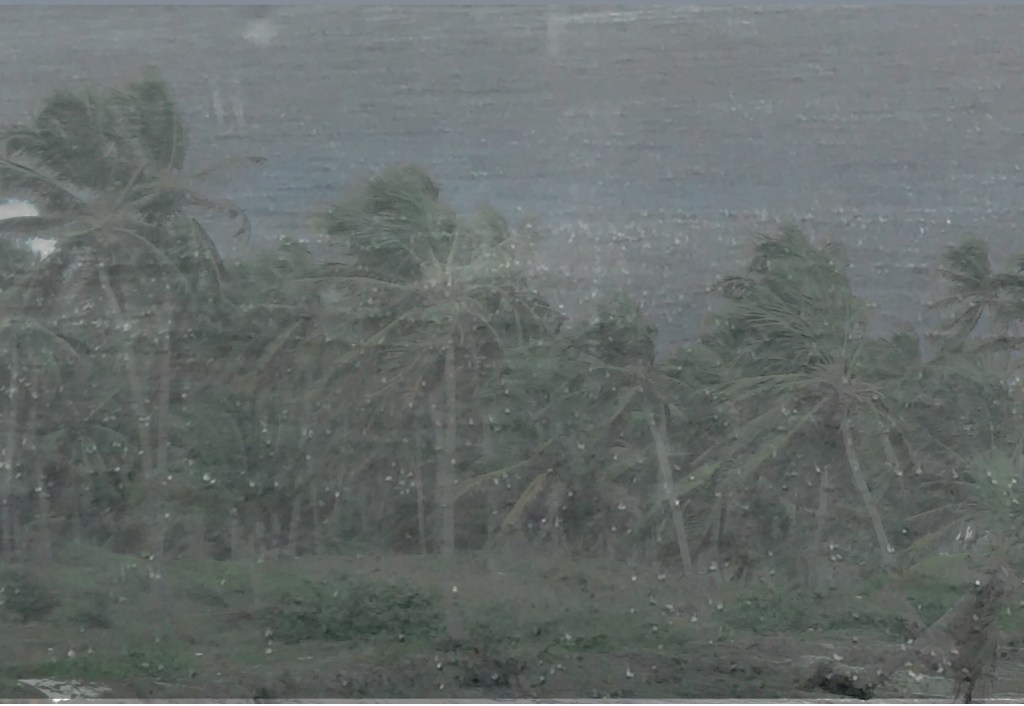
Storm Surge

By Hugh Nevin

Preface: This is the harrowing story of one man trapped outside during Hurricane Ian. He is a friend of the family and many people I know. His will to live shows fortitude and strength. Although long, it is an amazing story!

STORM SURGE

Get your motor runnin’
Head out on the highway
Lookin’ for adventure
And whatever comes our way


I decided to commit my memories of September 28, 2022 to writing for two reasons. First, I was understandably and repeatedly asked what happened, and it grew time consuming to repeat the story. Secondly, I needed to exorcise my mind of the devils and the repeated visuals and decisions made that day.

Eliza and I live in Barefoot Beach, part of Bonita Springs, Florida. Our power went out around 9AM on Wednesday, September 28. We had heard that there was power in the clubhouse which was across the parking lot from us, and I could see lights on, so we thought we might try to go over there and charge phones and use hot water. We went down the stairwell from the sixth floor at 11:10 AM; the elevator was out. At the bottom it was hard to open the door as the water was already rushing in from the garage. We had seen from above that the waves had breached the beach, the mangrove and sea grape forests, and was flowing into the garage. We wanted to see if we could get across the parking lot, but Eliza decided to return and went upstairs.

I walked through our garage to the entrance, but I could tell that the waves were too high to cross the parking lot. So I returned to the stairway door, and it was locked. Eliza had gone back up. I had no key. The elevator was out. I was stuck. I thought Eliza would eventually realize I don’t have a key (because I had foolishly forgotten it before) and would come down, so I found a perch in the entrance way, sat 4 feet up from the floor and watched the waves come pounding across the beach, across the sand dunes, into and through the garage, past me and out the other side onto the road. The waves grew larger, and I watched a handrail as a marker for the amount of water in the building. Several times I left my perch and made my way around the back of the building where there was little wind to see if I could do a quick scoot across to the clubhouse, but I saw each time that this was impossible. So I returned to my perch, but eventually the water was up to my four foot perch, the waves were splashing me in the face, and I realized that if I stayed there, I would drown. I also assumed now that Eliza thought I had safely made it across the parking place to the clubhouse and was enjoying a hot tea.

So I followed the water rushing out the door, hung on to the gate, and considered my alternatives. Eventually the wind got me and blew me across the Barefoot Beach Boulevard into the mangrove forest. The force of it was incredible. I was lifted up and thrown like a ragdoll. As I got over to the other side, I clung to a tree and noticed that large projectiles, including tables, chairs, paddle boards, and kayaks were flying through the air hitting the trees and breaking in half; and I realized if one of them hit me, I would not survive the collision. So I let the water and the wind drive me further into the mangroves which protected me from the projectiles. As I got further in, I started to find assorted objects, including chairs, benches, paddle boards and finally a submerged red kayak that I could sit in. I thought I might stay there, but it kept tipping. I looked around and saw a large green object that appeared to be another strangely shaped kayak, so I abandoned the red kayak, and swam over to what turned out to be a capsized kayak belonging to one of my neighbors, Jon Fay on the 4th floor of our building. It had a large draft, so it was difficult to clamber up on top of it. One of my own paddles came flying by, and I grabbed it and was able to paddle.

I assumed that if I paddled through this mangrove forest I would come to the bay behind our building and then, with the wind coming from south to north, be driven over towards the Bonita Beach Road, and there might be people who would have telephones and help me. I was finally able to exit the mangrove forest into the bay mostly by pulling forward with trees on each side. But when I got there, I found it was a false bay and everything was piled up at the end. So I made my way across this short bay on my overturned kayak with my broken paddle and got into the next mangrove forest through which I believed I could go to get to the next bay. But once into the next mangrove forest my upside down kayak kept snagging on roots and branches and wouldn’t move forward. The kayak had a seat with a high seatback and a pedal mechanism which was down, and roots were getting stuck on it, and I could not move forward. To make any progress, I realized I had to get off the boat, which I did not want to do because it was hard to get on. And I certainly didn’t want to get into the water with alligators and snakes (I kept thinking water moccasins), but I decided I had to. So I got off and went under the boat, detached the snags, got back on, and made a little progress. Then same problem again. I got off the kayak, detached the snags, got back on again. I was getting exhausted doing this. I was making almost no progress, and I couldn’t quite break through to the bay on the other side. I realized I needed to overturn the kayak so the seat and paddle mechanism would no longer snag the kayak. So I got in the water and, of course, I had no purchase because the water was over 10 feet deep, (I dove down to investigate), and the kayak was a large one, 100 pounds Jon Fay later told me. I kept lifting, and I could get it up a little bit, but I couldn’t get it up much more than that. And then I found a branch not far from the boat, so I shoved the boat over and climbed on the branch. I tried 10 or 15 times without success. Then I noticed that if I moved the boat perpendicular to the wind, the wind could help me. And so I waited for a strong gust and heaved up the boat and turned it over. I thought my problems were now solved. I had a paddle, I had an upright kayak with no water in it, but then I had to get into to it, and it had very high gunnels, and it was very difficult to get in. Each time I threw a leg up and over, the boat would start to tip, and I was afraid the boat would tip over again on top of me. But eventually I was able to get up in it, and I had my paddle, so I paddled back into an open area and decided I would paddle against the wind around the mangrove forest, rather than through it, and then take the wind and current to the Bonita Beach Road. I hadn’t gone far before a harsh gust tipped me over, and I thought oh my gosh I’ve got to do the whole exercise all over again. This time the wind was stronger and it was easier to turn it over, but my paddle was blown away. I got the boat right-sided, clambered in, and retreated back into the mangroves. I was starting to shiver a lot, and I was afraid that I would get hypothermia, so I waited for a while. All the while I kept thinking this cannot be happening; it is simply a bad dream, wake up. This isn’t reality. And then I remembered my basic training where the DIs told us: This is reality, deal with it. It was just starting to get dark. It had been grey all day with heavy winds and biting rain, but now I sensed dusk, and I knew I would not survive a night out in the open.

I noticed that the wind was changing. It was no longer south to north but north to south. I thought that if I got out into the wind and current and got the pedal mechanism working, which I did to a minor extent, disappointingly, the wind would drive me down the bay to the Delnor Wiggins Pass, and there I could get out onto a beach and make my way into the state park and then out into an area where maybe there were some people. I forgot to mention I had lost my shoes early on, so I had no shoes but short pants, a shirt, an L.L. Bean rain jacket, and no hat. The rain was slanting hard and kept blinding me, so I had to maneuver with my eyes slanted.

I finally got the boat out into the bay, and the wind picked me up, taking me in the direction I hoped it would; and as I moved in that direction I noticed that I could see for the first time the outline of condominium buildings near us which I had not been able to see before because of the wind, rain, and darkness. These were condominium buildings further south from the one in which we live. And I remembered at Building 9 there was a kayak launch, and if I could get the boat over to the kayak launch, I could get out on dry land (I hadn’t felt dry land for seven hours), and go home. So I got as close as I could. The peddle mechanism worked somewhat but not enough, and the rudder was stuck in the wrong position. But I eventually maneuvered the boat into the first line of mangroves, abandoned ship, and swam over to the building. I remember the joy in suddenly seeing the building and the concrete foundation under the mangroves as I made my way through the mangroves. I clambered out into the garage, walked through the garage, came out from the building and got thrown over again by the wind. I made my way across their parking lot to the Barefoot Beach Boulevard, tripping on displaced concrete and bricks, and falling from wind gusts. I then swam, and walked up the boulevard from Building 9 to our Building 3. I could see there were lights flashing at our building, and I assumed it was the police and fire department who were out looking for me and they would have warm blankets and hot chocolate. But that was not the case. Something had triggered the fire alarm for the building. I got to our building and made my way over to the stairway. Fortunately, the stairway door which had locked me out in the first place had been blown away, so I could walk up the stairway. It was totally dark. I had no flashlight, but I made it up six floors counting, got to the door which leads to the corridor which leads to our apartment, and it was locked. I could not believe my bad luck. I walked down to the fourth floor where our neighbors, Jon and Elissa Fay, who had stayed through the hurricane, lived, and tried their door; but it was locked. I felt my way down to the bottom floor thinking that I’ll go over to the clubhouse and seek shelter there if I am able to get there. Then I heard a voice and saw a light. It was my friend, Jon Fay, whose kayak had saved me. He had come down to the bottom floor. I approached him, and he suggested we go over to the clubhouse as the waves had diminished. So I volunteered to go first as I now had experience in tripping through buried concrete remnants. I tried, but I kept tripping and getting blown over; and then I felt the storm surge had created a large chasm, and we couldn’t cross it. Jon had caught up to me, and we decided to go back. It suddenly occurred to my addled brain that if he was there, he must be able to get through the door to the corridor and then to his unit. So I said that if the doors were locked, how did you do this, and he said the stairwell doors were not locked, it’s air rushing up the stairwell and creating a wind tunnel effect; but if you push down the handle and push your shoulder into the door, you’ll be able to get in. We went up to his floor and he showed me. By then he could see that I was in shock, so he gently with a flash light guided me up to the next two floors to our floor. We opened the door and got to the corridor, went over to the door, and I saw a sign on the door; and I thought, oh my gosh Eliza has left a sign saying she’s abandoned the condo and gone somewhere, but it only said that she was in the bathroom because the fire alarm was making such a racket. We opened the door, and she looked at me in shock and astonishment and rushed forward and took me in a love embrace. I must have looked like an apparition. The nine hours of loss were written on her face.

She stripped me of my clothes and wrapped me up in warm blankets and put me in bed. I shivered uncontrollably for about an hour and a half. Elissa Fay from the fourth floor brought up some lemon sugar water. She said if you’re in shock, you need to sugar. It was only as I was getting undressed that I realized that I was cut all over my body, bleeding and badly bruised from all the collisions with trees and branches. I also had a scary something in my left eye that hurt. I couldn’t sleep that night because I kept dreaming of my trip and trying to re-think the decisions I made. But the next morning I felt better, but my muscles ached in a horrible way. I couldn’t sit up without help, and I couldn’t elevate my legs without help. Those muscles, which served me so well, were kaput. It was a miracle and God’s help that brought me home. The final miracle was that I came back at precisely the right time to meet Jon Fay on the ground floor with a flash light. He was a guardian angel. He told me I could open the stairway door to the 6th floor and led me there. If he comes out 10 minutes earlier or 10 minutes later, I had no more alternatives.


Storm Footage

This video was sent to my friend who has a place in Old Naples, which is down the shore from Barefoot Beach. My friend wasn’t in Florida at the time, however this video shows 5th Avenue in Old Naples after the water had receded some; it is normally a road. The video may help give you a sense of the storm Hugh had to endure.

Hugh saw this footage after I published his story; this is what he said: “The video is tame. The waves which swept me away were over 7 feet high, nothing flat and placid. The winds and waves were far more ferocious. This video looks like the aftermath of the storm.”

-Sarah

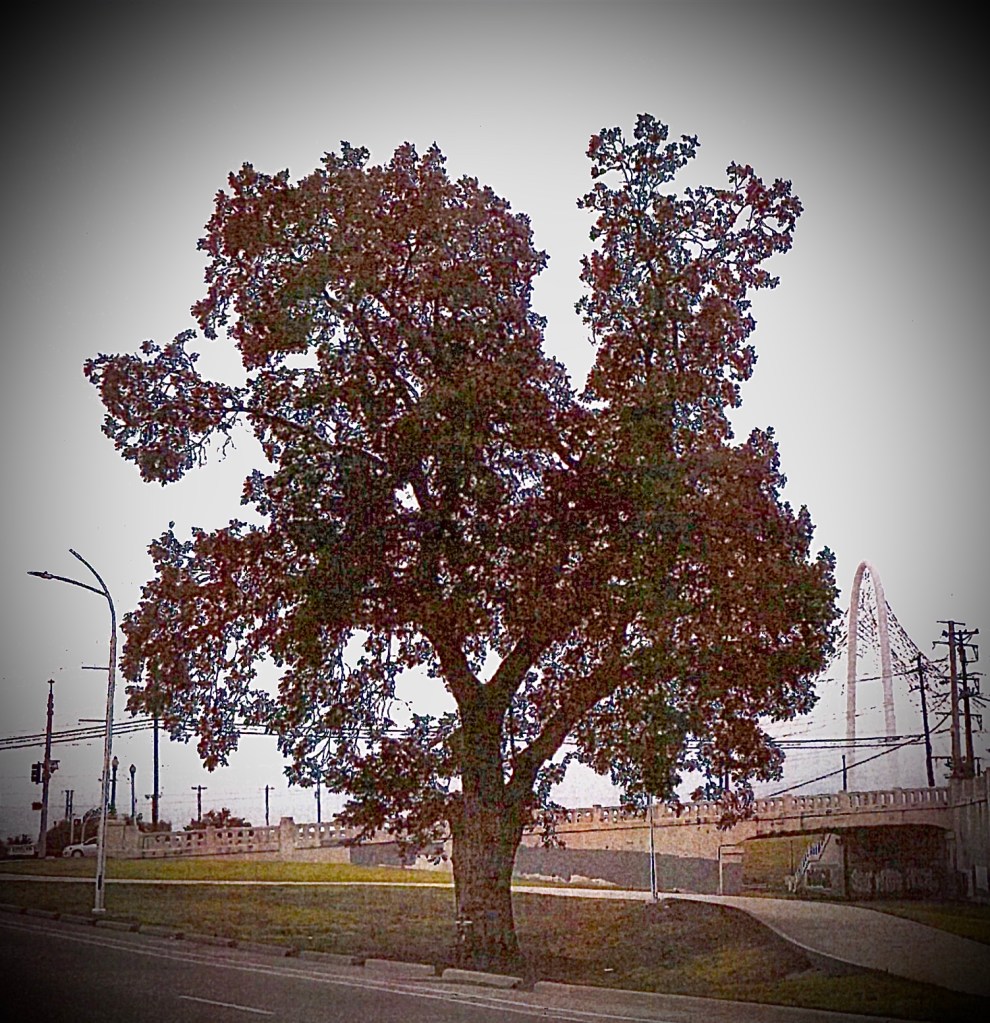
C.W. Heppner’s Pecan Tree

By Alexander Troup


Preface: In an old part of Dallas there is a historic pecan tree; it was acknowledged in 2021 because of a story that Alexander Troup wrote 20 years ago. The original piece of writing was about a man named C.W. Heppner. Although the owner of the land died many years ago, the tree (which possibly dates back to 1824) still stands. Here is Alex’s story about a tree with colorful history:

In 1845 Judge Hord came to Dallas, Texas looking for some land to live on. Folks in the village of Dallas told him to go to the other side of the river. He took their advice and bought 200 acres, where he built a cabin. By the river, friendly Indians were hunting and camping. He got along with these natives and became a judge in Dallas County. Then, in the late 1880’s, a man by the name of Marsalis came and bought Hord’s Ridge, which the Judge was selling. He renamed the land Oak Cliff. Hord moved to Flander’s Height (over by the Fort Worth Pike in West Dallas) another hilltop scenic visual delight, around 1890.

One of Judge Hord’s neighbors was a retired German cavalry officer, an immigrant to Dallas, by the name of C.W. Heppner. He sold junk, fixed cabinets, and raised pigs. His property was close to the river bottom in West Dallas, facing east, where the Trinity River would flow; when the spring rains came, it would flood. Heppner, as he was called, became the Texas hero of the 1908 flood. He saved people, horses, and hogs as they swam down the Trinity in a current that was extremely wild and very deep. While this flooding took place, Colonel Heppner tied up his boats to an old pecan tree. This tree stood as it had since 1824, as the tree historians now say, measuring 16 feet around. It may have been planted by Indians as a marker…

By the early 1930’s on the front lawn of this old junk house, Heppner sold used tires to Bonnie and Clyde. Old C.W. lived there until around 1933 when the entrance of the present bridge was put on his lot. He was bought out and labeled an activist troublemaker, wanting to get the river tamed for 20 years. City officials were pretty vindictive back then and they hated this old German for showing up, with his fisherman boots and cap, to City Hall to gripe about when they were going to tame the river. He loved the junk house and hated leaving it. His house was torn down and Heppner was put in a nursing home where he died. Meanwhile, that old pecan tree is still there today, marred and scarred by trucks, cars and bicycle tires that ran into the tree at night.

Back in 1951 a reporter found out there were stories about how kids would fall out of these types of trees, dating back to the 1880s. The newspaper would also tell of accidental deaths, broken arms and legs, as pecans were by the bundle during pecan harvest season. Boys would make good summer money as this was an adventure. They would climb onto the branches to get that nice green and brown pile of pecans, and occasionally go too far out on a limb as it would snap, fall and crash…sometimes 30 feet down!

The pecan tree had been an eyesore to the new people who work for the city of Dallas, Dallas County, and the river authority of today. As it was a big, old, ugly monstrosity in their books, they wanted to chop it down and use it for firewood. I informed the agency, working through the city and tree historians, about the history that went with the pecan tree: C.W. Heppner was Noah’s Ark of the Trinity because he saved so many lives. There were also tales mentioned about kids who hid their bicycles up in the branches, at night, when they were stolen…Many stories of this old tree came up. I can recall driving by it the 1970s with my pick up truck and seeing many other old Ford pickups parked underneath selling peaches, apples, pears, and pecan seeds. In 2022 the agency I’m working for got a plaque stating it as a historic tree…they cannot chainsaw the tree in this decade.

So much for barbecue, old pecan limbs, and branches that ole C.W. would cut down from his Trinity River pecan tree!

Dedicated to Katherine Homan

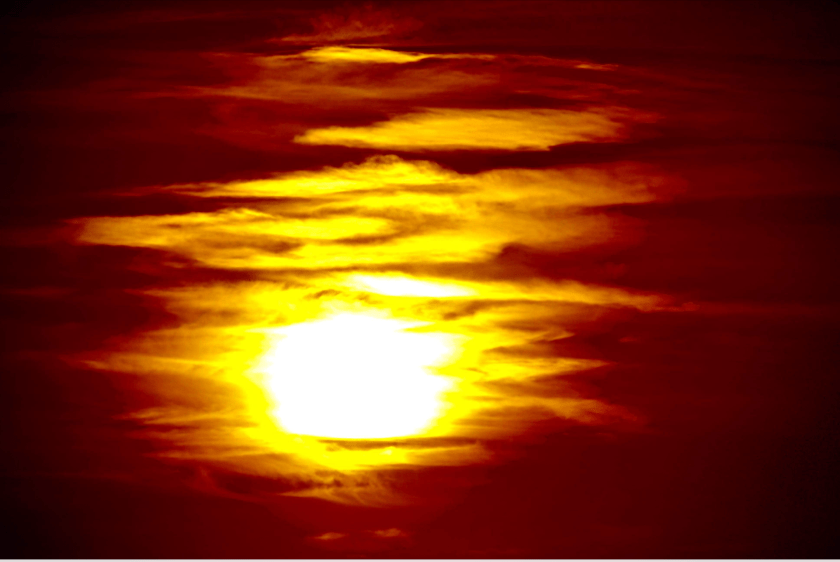
The Summer of 2022…When The Sun Became A Tyrant

By Alexander M. Troup

Dallas, Texas is truly the beginning of an outback country; it is where South and the West come together. The city of Dallas was a dream location once, from the1950s to 1980s; now it’s out of date. Gone are the days when it was a good photo stock image, a place where some sort of wealth was suppose to make you better than the guy next door. A location I had moved to and from over the past 40 years, only to arrive back and call home.  

Dallas is strange place, located on a grid that was laid out by John Neely Bryan in 1842. The winds that come and go blow with a warmth of good feeling or bad omens; there are really no forests or Mountains, valleys or great hills. Even back when Dallas was founded, these landmarks didn’t exist. Today’s landmarks are huge sky scrapers and new valleys for roads which hold thousands of cars. The residential communities are caught up in a large frying pan of concrete and neon lighting. A cowboy is not really the boots and hats figure as he once was, but has evolved into another image: all suited up as sort of football space worker, with an oxygen tank in this kind of heat.
The sun became blistered with sunspots around late June of 2022; that’s when the heat wave began. Sun spot cycles were realized around 1610 by an Astronomer in London by the name of Thomas Harriot. He began to study the phase in which the sun would send out rays, during that era, with his thin glass lens telescope. Around 1843, another astronomer made good observations to say the motion of the sun, every so many years, has such effects which would add to earths warming. This summer the heat was not tapering off here in Dallas and in the rest of Texas as it had in previous sun spot drought years. For 67 days in the summer of 2022, the masses were held prisoners by a tremendous heat wave. The intensity of heat from 105 to 109 degrees, kept many in suspense as too when rain would arrive. 

I am a retiring historian who, most summers, would dig up old bottles from the 19th century. The task is amazing. The rain has been my friend in years past, as it washed away the dirt and dust when a site was exposed. I had to cancel any expectations of digging up old bottles this summer because 2022 had something else in mind. Unfortunately, due to the heat, I decided it was best sit it out.

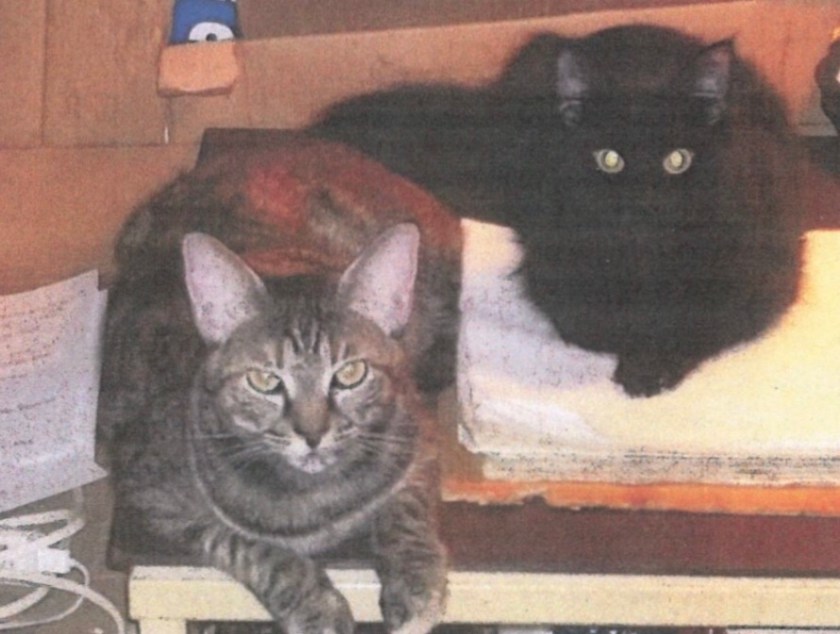
Last March I moved to an old two story home built in 1912, on Live Oak Street. One night this summer my AC unit went out and the temperature in my room rose to around 100 degrees. I have two cats, which I call “kats”, Blackie and Frankie who were hiding under the bed. Their cat box began to smell very pungent. The smell began effecting the building; things got worse when the breaker box in the  back went out. 

Frankie and Blackie

Two days later a letter came in the mail from the landlord saying I needed to pay a fine for $1000 as a pet deposit fee and get a better solution that will absorb the kat waste and urine smell, which I did; the right kind of clump for their litter box was found. This house on Live Oak Street was difficult since the size of the room was smaller than the last place we lived. I gave Blackie and Frankie fresh water each day and a can of tuna at night. Having to find more dream like places in the small room for them, I made spaces with boxes and drawers, so they could hold up in and sleep, or jump and claw. As the 67 days of intense heat was cooking the location, they did adapt quite well. The kats lost some weight but managed to avoid that end of the day flaming heat as the sun set in the west, facing the building, with its burning rays each evening. The problem of the stinky litter was solved, but the relentless heat continued. I would get up early, ride my bike to the store and get back by noon like a vampire.  Later, I bought two fans and would wait until 7pm when the sun went down. 

By August we had no rain and the pavement was hot for days several. People cooked eggs on their sidewalk. My kats would sleep all day and play at night, while I lay there hoping it would rain.

About late August the summer finally cools,  and reports were in that Burning Man, in Nevada, was a very successful outdoor event despite the heat and dry winds. We were seeing rain in our area…finally!

Rain: lots of it, then flooding,…… both kats , Blackie and Frankie, were hiding under the bed waiting for the thunder to stop. I wasn’t sure what to do.

Around August 22, the Trinity river flooded after a massive rain, like it had in the1908 flood.  Waters just touched the old Pecan tree, now a historical landmark. The tree that I helped save, has been there since the river was wild and free, before that legendary flood 114 years ago.  A place where I wonder what is next, as the sun’s rays hit this location each year with much more intensity than it has in previous years. Like the Burning Man event out in the desert, we are here as some sort of statement about holding up and making the most of such hot weather. 

The summers here are really getting out of hand. As there is no updated modern news on how we should adjust for this kind of futuristic transition, I am now back to what was realized in the beginning of my story: The sun has become a tyrant…


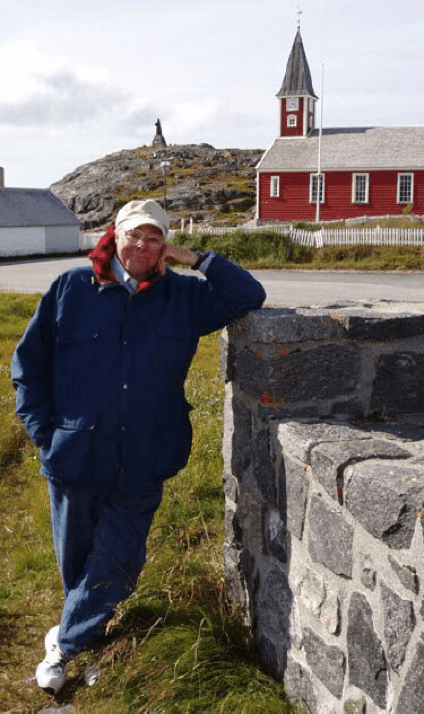
About the author: Alexander M. Troup is retired art and history researcher and preservationist on Texas History. Since 1992 he has worked as a researcher for self publishing authors, local newspapers and libraries . He may have read as many as 600,000-700,000 documents which he figured out one night, with 47 archive boxes, as some of that work. At 67, Mr. Troup feels like he is in his 50’s because of the adventures he has lived…I hope more stories are told by him, over time.

12 Years

My Dad

                                  
I find irony in the fact that September is National Suicide Prevention Month.  This is the month the unimaginable happened to our family.  The date will be forever embedded in my memory: Thursday, September 16, 2010.

Twelve Years….  It is hard to believe that so many years have passed since that night.  The year that followed is what I call a lost year. What is a lost year?  To me, it is a period of time where I am pushed out of my comfortable, benign life to face a hostile, unknowing reality.  

I remember that night like it was yesterday. We had sent our youngest child to bed early because she refused to eat her dinner.  I felt awful because she cried herself to sleep.  As my husband (Greg) and I read a bedtime story to our middle child, the phone rang.  We ignored it. The phone stopped ringing and then immediately started to ring again. I said this call must be important, so Greg answered the phone.

The next thing I knew, the phone was being handed to me:  “It is your mom”, Greg said, “you need to talk to her”.  My mother was on the other end of the line crying, someone from 911 told me that my mother needed to talk to me. Then I heard “Sarah, your father has killed himself”.  I told her I would be there as soon as possible.

I threw some clothes into a bag.  Greg gave me some cash and asked if I was sure I could make the 1.5 hour drive, to my parents house, by myself.  My eldest child asked me what had happened. I said “something is wrong with BopBop, I need to go see Nana.”; it was hard to believe what my mother told me was true.  We had just seen my parents the previous Sunday.  My father seemed off the day we saw him, but he had a lot weighing on his mind.  I just thought my dad was concerned with a heart issue that might impede the upcoming surgery that he had scheduled.

With my bag packed, me partly in shock and denial, I got into the mini van.  Driving into the night, a light rain started. On auto pilot the minivan drove, with me behind the wheel.  How could my mother be helped before I got to her? Friends, I needed to contact  someone who would go to mom.  She couldn’t be alone. 

Luckily, the hands free cell phone law hadn’t gone into effect. Dialing a number I knew by heart, into my little Nokia push button phone, I called the mother of a good friend of mine and at the same time a good friend of my mother’s. She would know what to do to support my mom. The phone rang for a long while. Finally the answering machine picked up, but this wasn’t the sort of thing to leave on an answering machine. Hanging up,  I thought of someone else to call; this time the operator was dialed, because I didn’t know the number.  Again, no answer.  Old family friends…who could I call? I finally settled on somebody.  “Just a friend”, I thought, “that is what she needs”. I called the operator again and another number was dialed for me.  Finally, there was a voice on the other end of the line: Bob.  I told him what had happened and he said that he and his wife would go right over.

On that long drive in the dark rain, the phone calls went on. There was a call to my sister, who was unreachable at the time.  Eventually we spoke. She said she would make the calls to the rest of our extended family: our brother, aunts and uncles. The last call I made was to a close friend who talked to me through part of my drive, but then she had to go. Before she hung up she checked to make sure I was ok.  “Yes” was the word that left my mouth, but really was I all right?

When I reached my parents house, there was a police car in the driveway.  The lights were flashing in the drizzle like you might see in a movie.  Bob was out there waiting for me with an umbrella. He said we needed to go through the front door. For some reason I couldn’t go in the door that I always went in. The door that lead to home: through the hall to the kitchen and then to the family room.  I so rarely went through the front door.  I didn’t really understand what was happening.  Then it occurred to me that not only was Bob a family friend, but he was my parents lawyer.  An investigation was underway.  

As I was led into the living room, I saw all the friends that I had tried to contact, but had failed to reach. My mother sat on the couch, looking frail.  I think she was all cried out at the time. There was a little spray of blood on her sweater and a small spot on her face. These are the things I remember.  

The rest of the night is a blur. Anne, the first woman I tried to contact, asked us to come home with her. My mom’s friend and assistant, Sandy, offered to take my dad’s beloved dog to her house, just until my mom got back on her feet.  Bob said he would go to my grandmother’s house in the morning to tell her what happened to her eldest child.  I told him, “I need to be the one to tell her”.  In the end, we agreed that he would pick me up at Anne’s house in the morning and we would go together.

I don’t know how I slept that night.  The next morning I did the hardest thing I have ever done in my life:  I sat with my almost 95 year old grandmother and told her that my dad, her son, had taken his life. She put her hand on her heart and started to cry. Then she straightened and said “I need to be strong for all of you”.  My grandmother, who had lost her middle child to death by suicide 40 some Septembers before this, wanted to be strong for us.  She knew how to survive the unbearable.

Anyone who has experienced a tragedy, knows that life can change in the blink of an eye. Our lives were forever changed the night my father ended his. We will never know why my dad chose to do what he did. His death was instantaneous.    

 I find irony in the fact that September is National Suicide Prevention Month only because of my experience twelve Septembers ago. At  the same time I am extremely hopeful that, because of this month, more people  are aware of how to help prevent suicide.  Remember to support those around you.  Be aware that different events may cause someone to consider suicide. Know the the risk factors and warning signs of suicide (https://afsp.org/risk-factors-and-warning-signs). There is also a National Suicide Prevention Lifeline, the number is 9-8-8

I hope that sharing my words this September will  help you or someone you know realize that it is OK to ask for help or at least help recognize the warning sign that might lead to suicide. Unfortunately, my father didn’t ask for help and we hadn’t recognized the signs that told us he was in distress.

Where Were You? (Unedited)

Please share your experience of 9/11 in the comments.


Growing up, my mother often recounted exactly where she was when the news arrived that JFK had been killed. For many of us, a similar experience occurred on September 11, 2001….

The day was beautiful, the sun shone brilliantly, there was not a cloud in the sky. My day was not exciting. I had just dropped off my one year old (my only child at the time) at a friends house. I had physical therapy. My neighbor, although extremely pregnant and with a toddler of her own, happily agreed to  watch my daughter. Driving away from her house, I thought about the picture perfect day.

I arrived at my early morning appointment and the therapy began. At some point my physical therapist left the room, I don’t remember why. What I do recall is when she walked back into the room and said “a plane just crashed into one of the Twin Towers”. At the time, this “crash”  had just been announced. We had no idea that this wasn’t a freak accident.  A little while later, my appointment ended. Just when I was checking out from my physiotherapy, we learned that this was a planned attack; the second tower had been hit.

As I drove to my neighbor’s house, I listened in shock to NPR. When I arrived, I held my daughter close. Not wanting to be alone, my child and I spent most of the day two doors up from our own house. We watched the TV as the plumes of dust surrounded New York City. I worried about my friend who worked in Manhattan. A little later in the morning, a flight slammed into the pentagon; this was somewhat closer to home. Schools let out early that day and my friend’s older children came home. We might have turned off the tv, I remember thinking we should, but perhaps we just couldn’t move. The last thing I recall about the day, was my ex-husband asking if he could come over to see our daughter and give her a hug. As I said, my day was uneventful, but I recall exactly where I was, when I heard the news, that fateful day. Where were you?

Today, over two decades later, the sky is dark and the rain is coming down; it’s as if the Heavens are crying for all those who died on 9/11/2001. Looking back on that day, in a country that seems to be so divided, I think of how everyone came together in all sorts of ways: to pray; to mourn; to help; or to just be there for one another. May there never be another event as catastrophic as 9/11, but perhaps our nation can remember that day and lessen the divide.

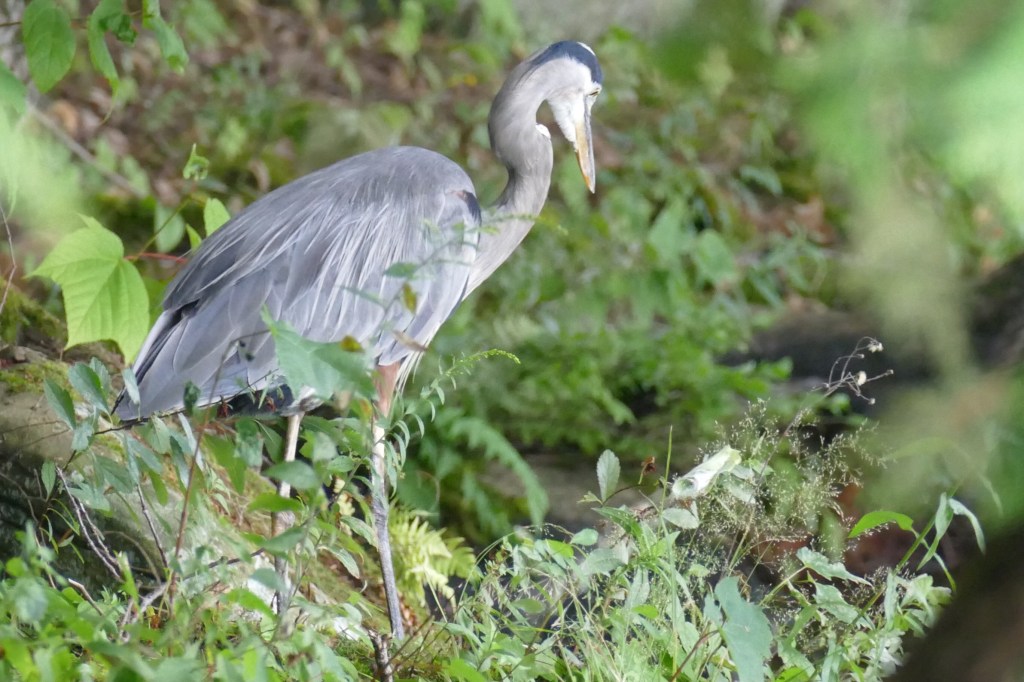
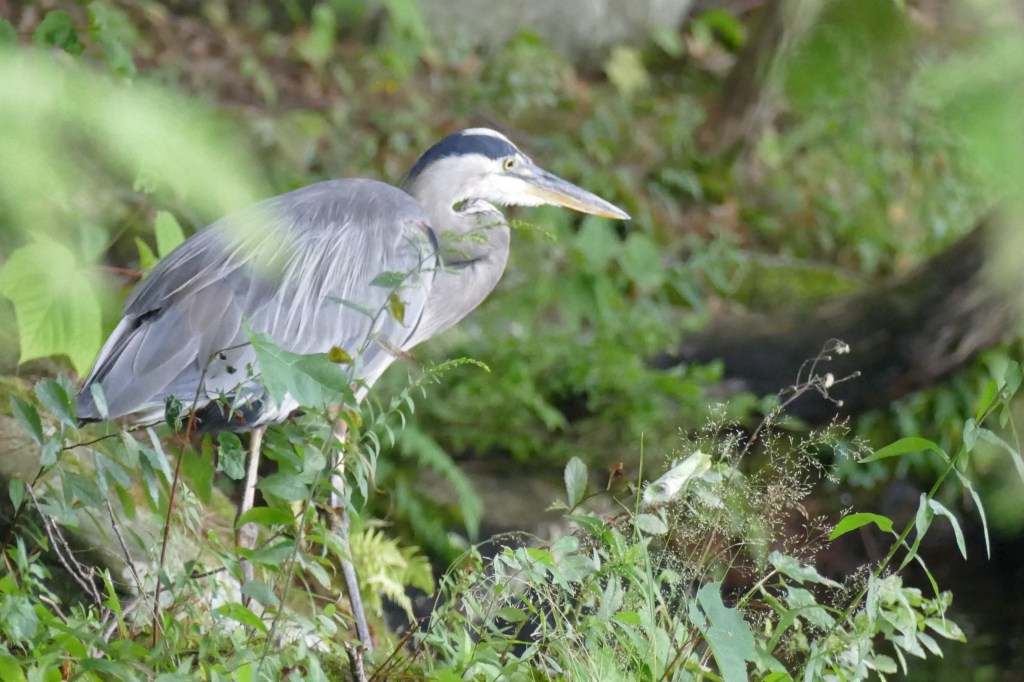
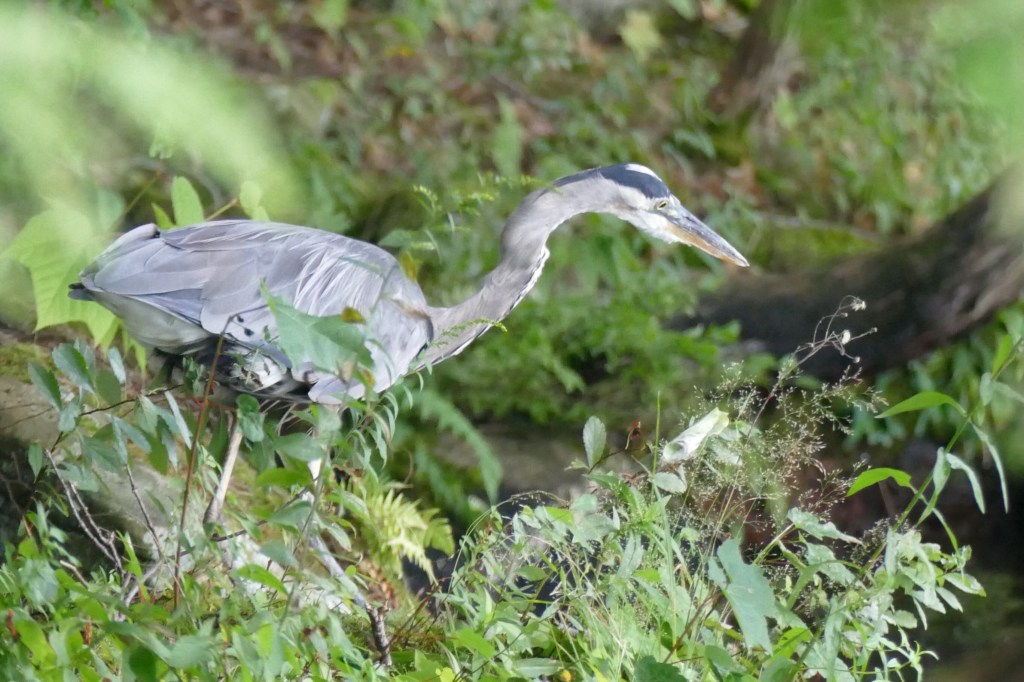
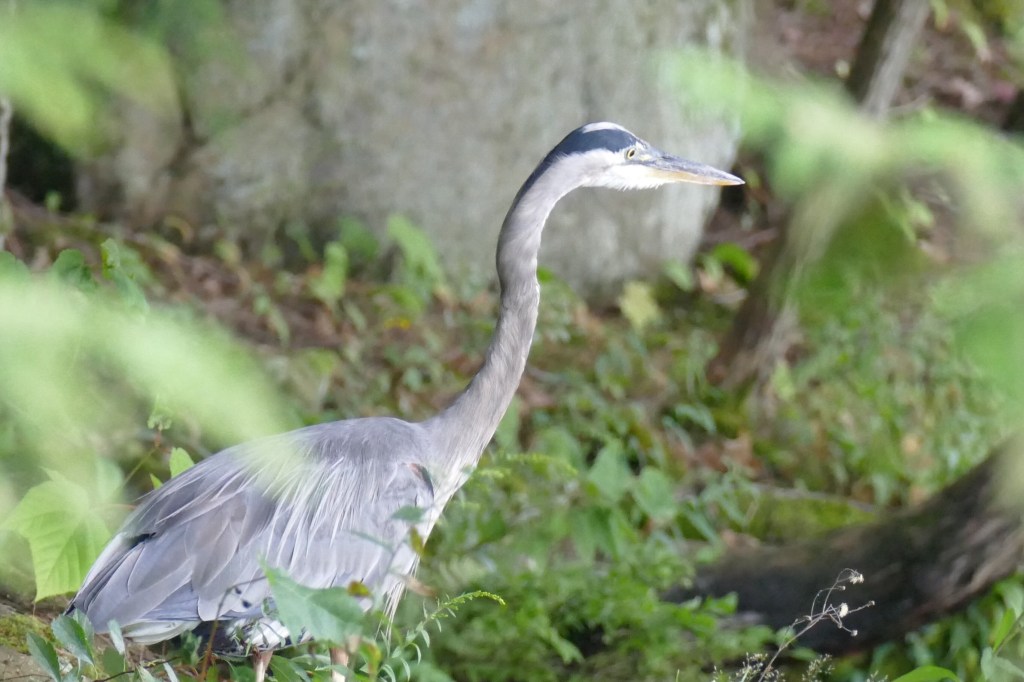
Tracking The Great Blue Heron: a story of a moment in time

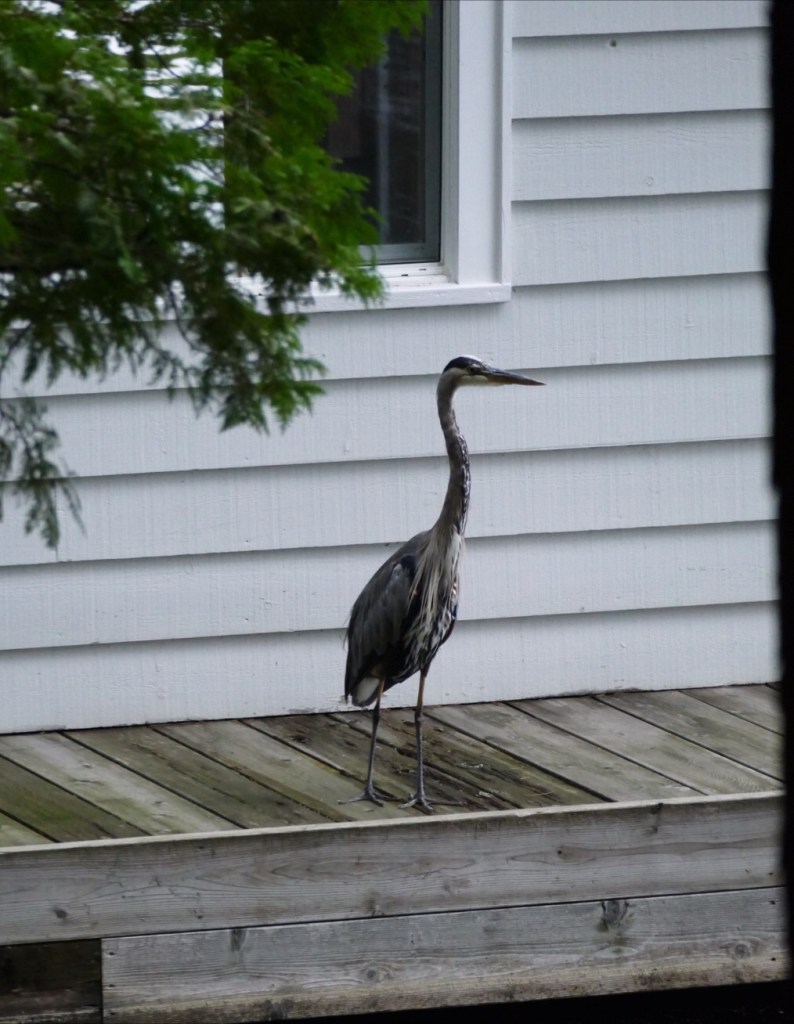
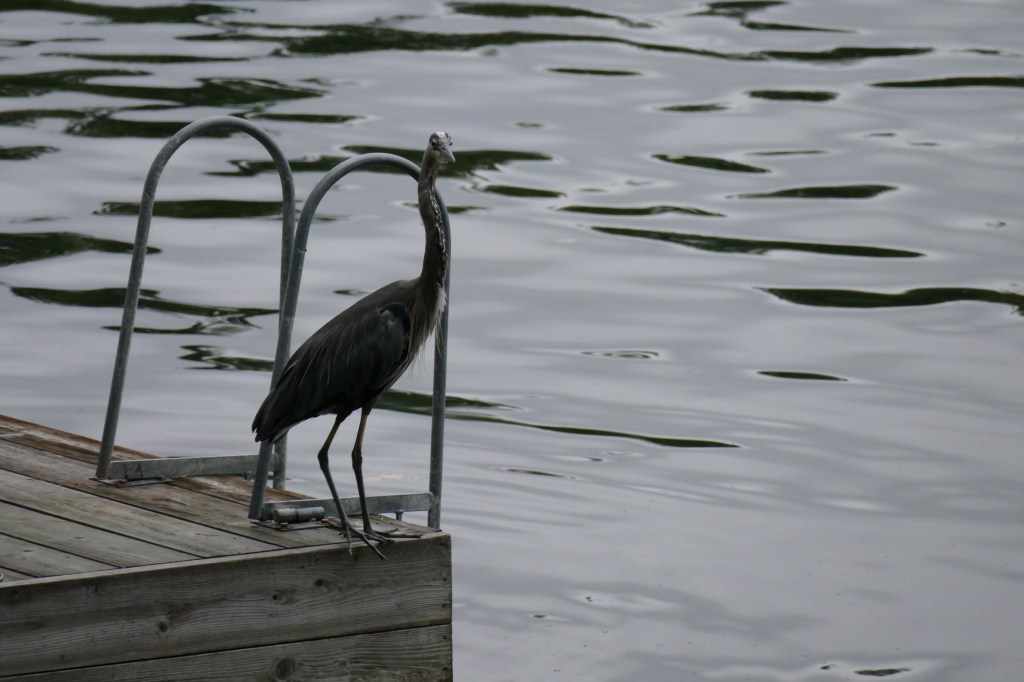
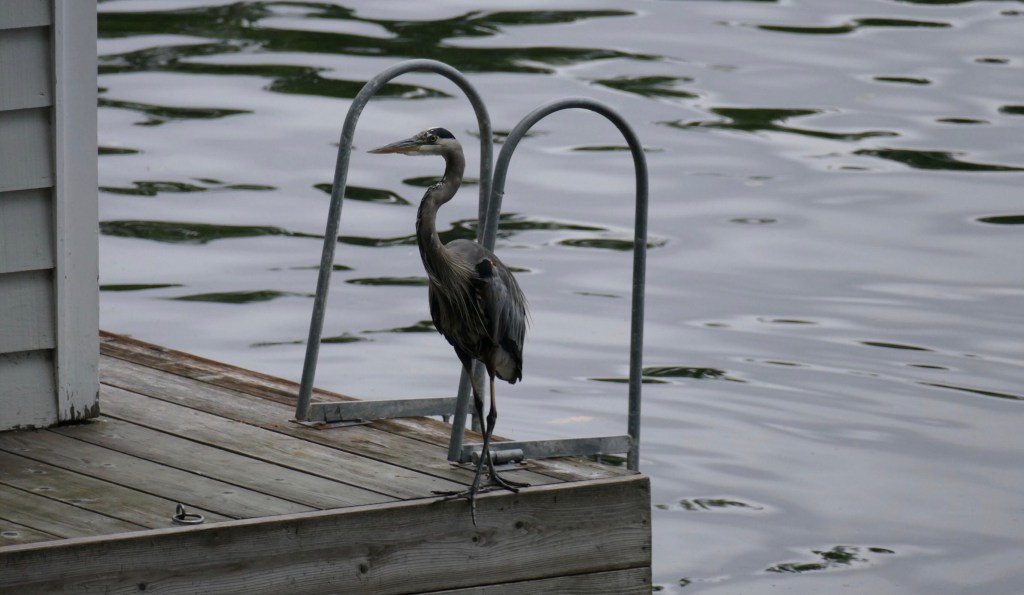
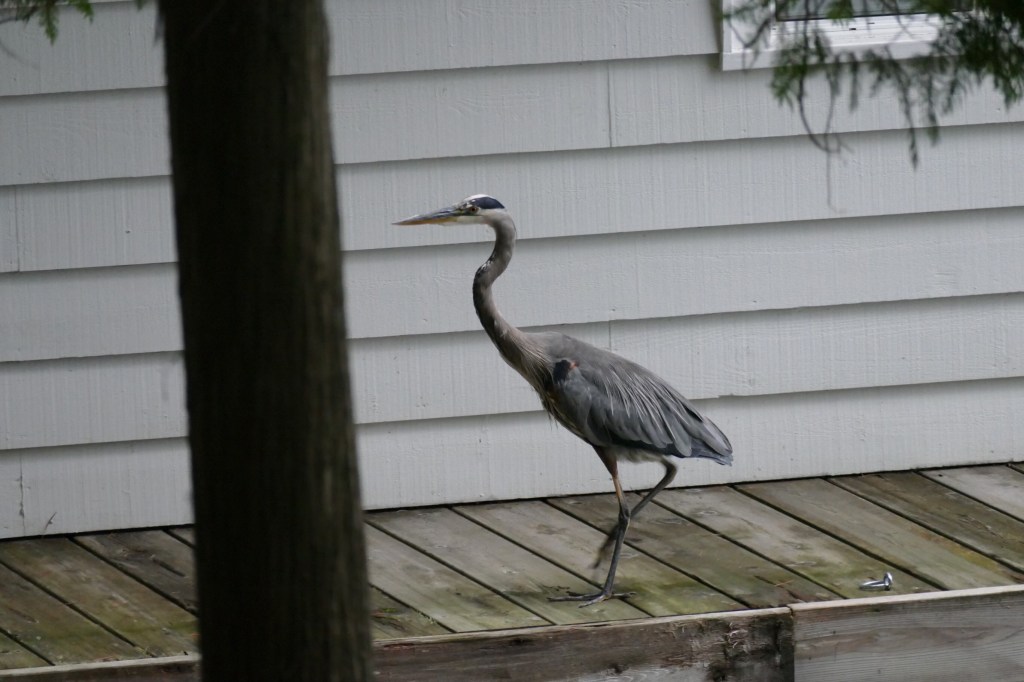
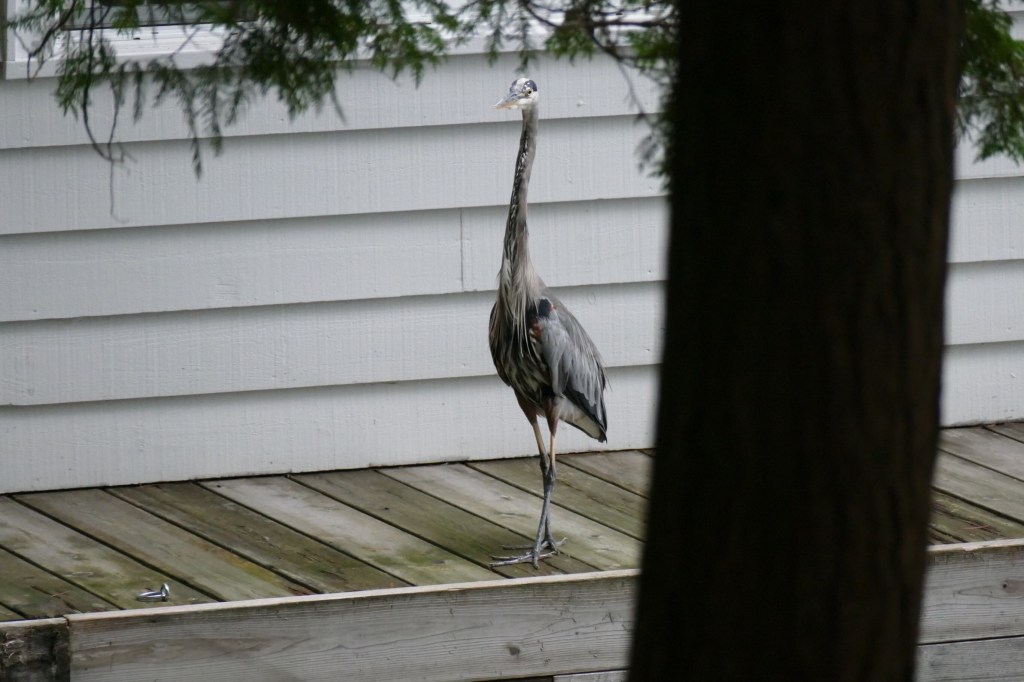
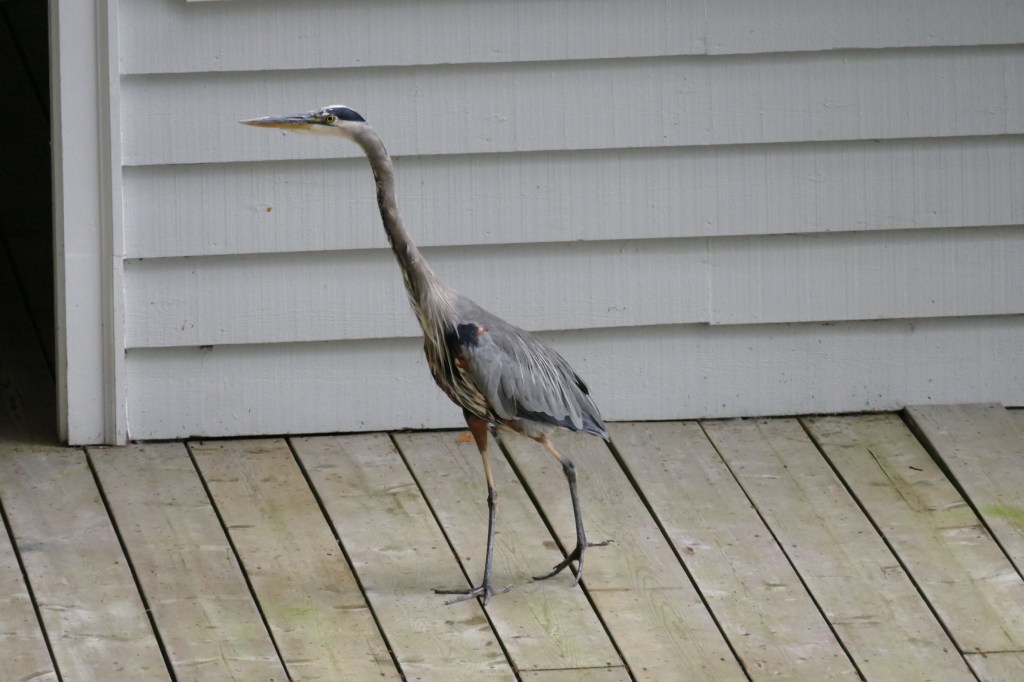
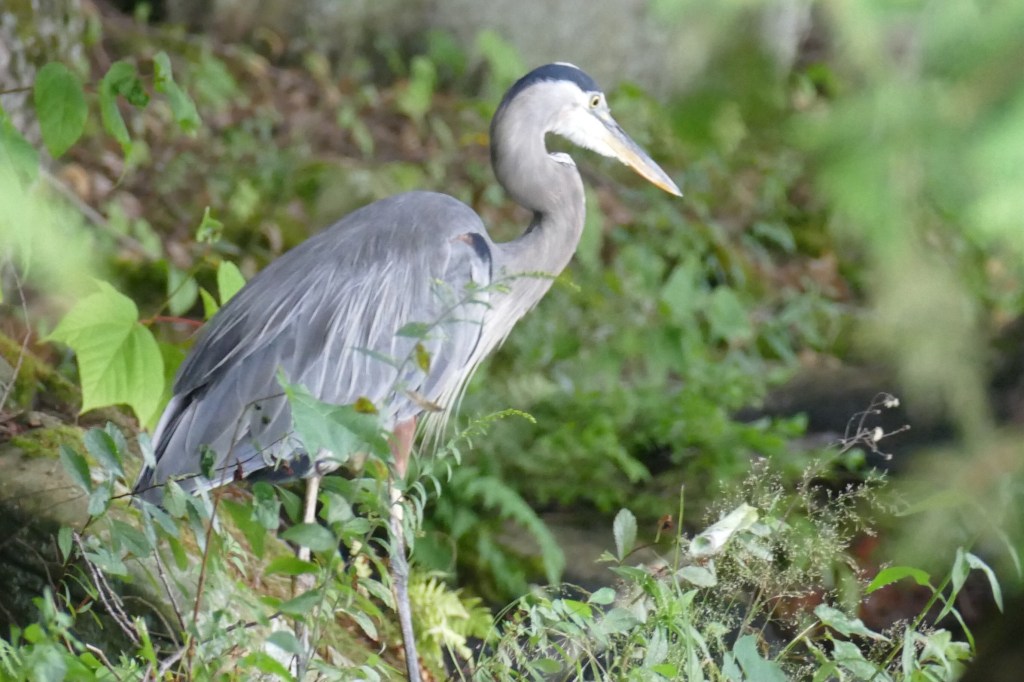
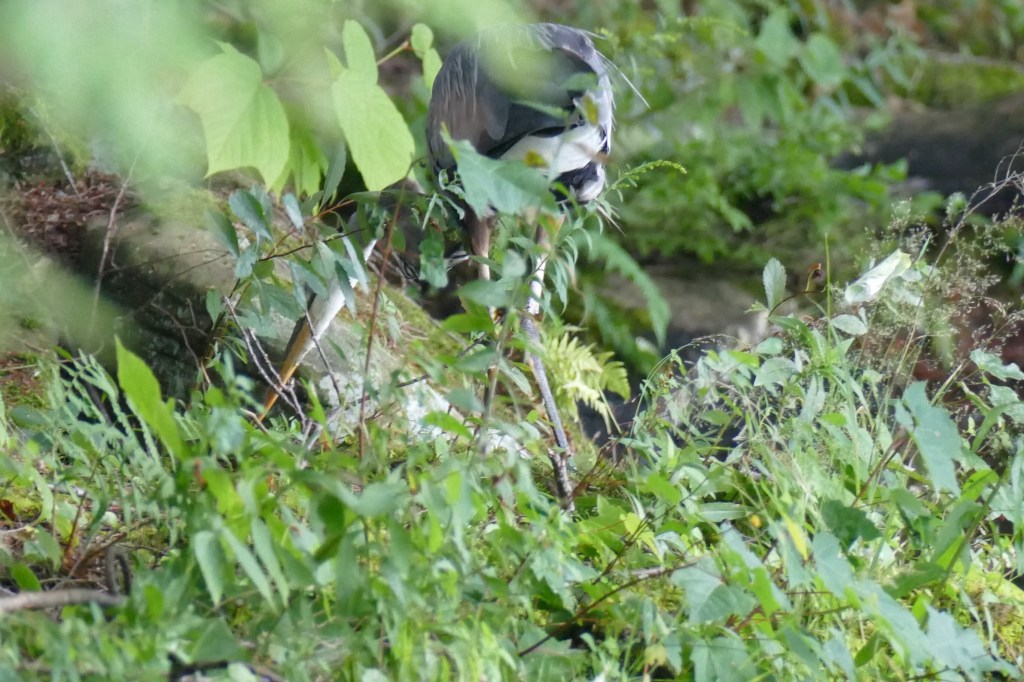
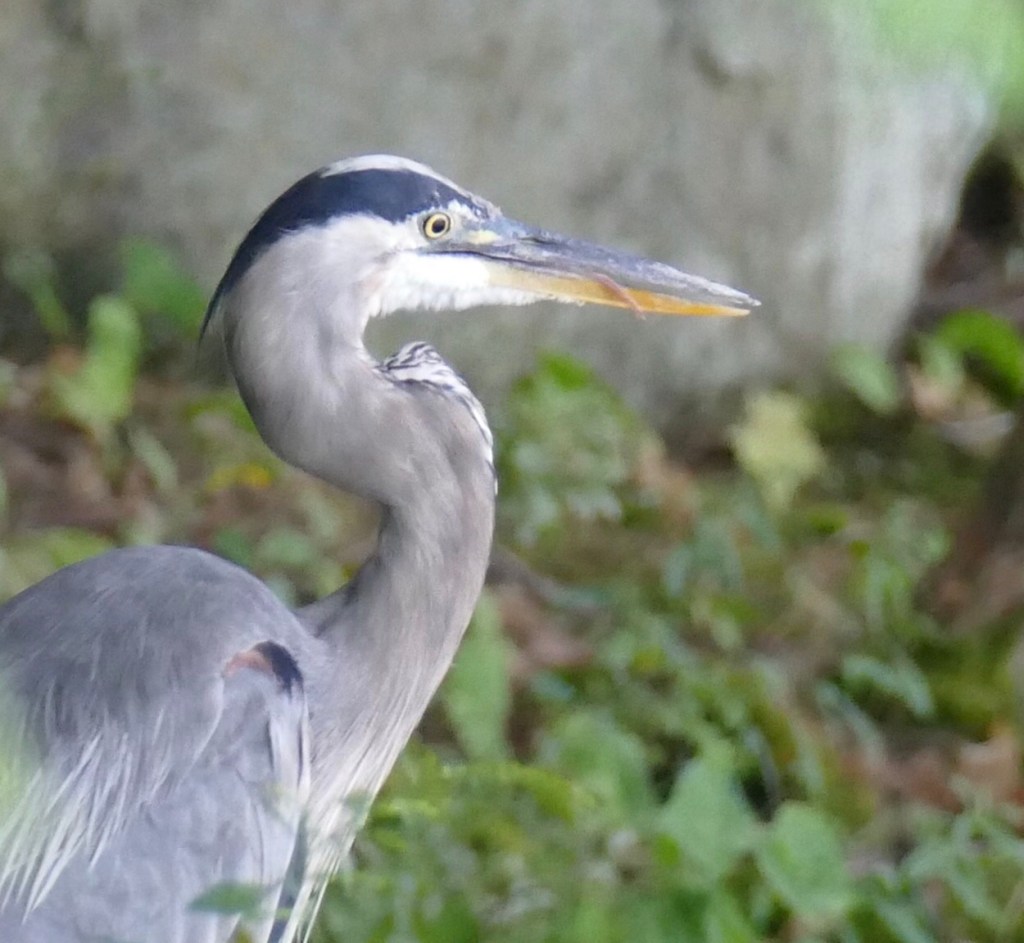
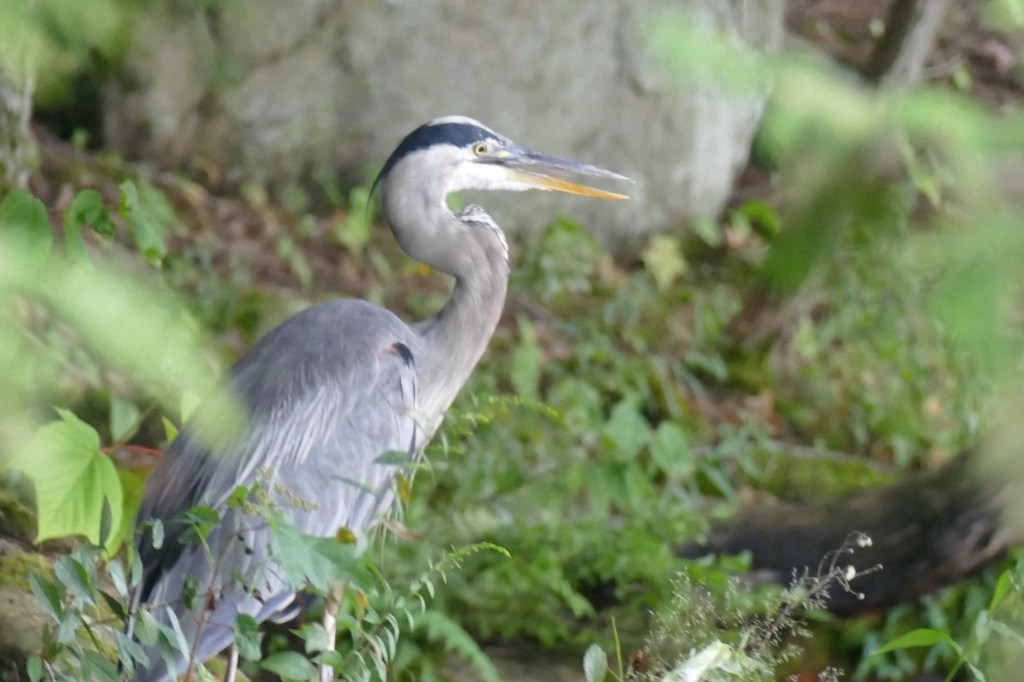
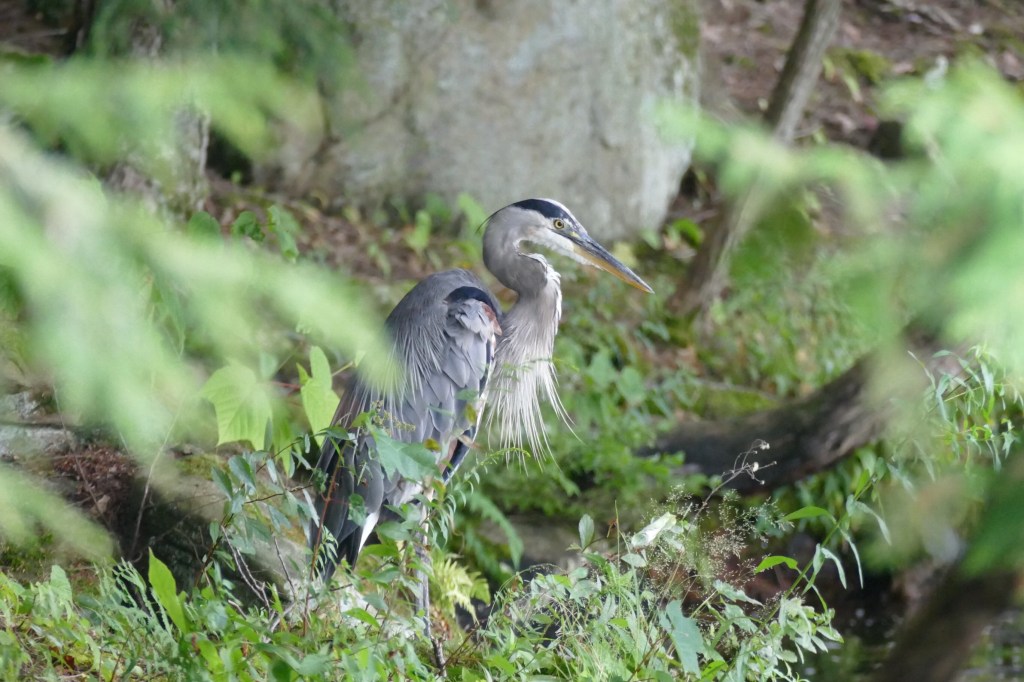
This morning, two days before I leave Muskoka, I looked out the window and there was my favorite bird: A Great Blue Heron. This is how 30 minutes were spent this morning, as I followed a magnificent bird.

The Great Blue Heron
I think the Heron sensed me…
…perhaps not, but it turned around anyway.
Great Blue started to move slowly down the dock, away from the water.
My camera and I had been spotted.

Now the bird moved swiftly…
…around the back of the boathouse.
I caught up with Great Blue on the other side boathouse. Luckily we had forgotten to close the doors yesterday and I was able to make a quiet (if not silent) approach.
Breakfast seemed to be on this mornings agenda.
Patiently, Great Blue waits for something to eat.
Had food been spotted?
Yes, it was time for breakfast!
Getting breakfast in the wild.
The tongue on this type of bird is pretty interesting.
Great Blue seems satisfied.
I waited, not so silently, hoping to see Great Blue fly. The heron decided to stay and I chose to go.

The Beginning-An Unexpected Journey (Part 2 Of The Summer That Could Have Been Idyllic)

Everything was going well the summer of 2018. Having just arrived in Canada after a wonderful trip to Alaska, I was at the cottage with my husband, two oldest children, and mother. My youngest daughter was at camp.  We were in the one place that has always brought me happiness: Muskoka;  a wonderful place to continue an already idyllic summer. Life, however, has a funny way of sneaking up on you.  Just when you stop holding your breath waiting for the next bad thing to happen,  you are hit hard. The path you thought you were taking changes course completely.

The day started like any other. I was getting ready for an early morning run because I was training for a half marathon, the first in many years. Outside, the sun shone bright; we were promised a beautiful day ahead. My husband had been over at the cottage. I heard him walk up the stairs and enter the bunkie (the rooms over the boathouse where the two of us were staying). When he walked into the room, I heard him say: “Bay is ok, he’s asleep, but we have a problem”. Confused and readjusting my thinking, I sat down on the couch.  

As my spouse sat down beside me, I was handed a letter my son had written the night before. The only words I remember are “I’M STILL HERE”. The letter went onto explain the depression and plans of suicide that he had over the last few years. My middle child had planned to take his life the night before, but instead wrote us a letter. We were lucky. 

I was stunned and in shock. My husband and I both were. Over the last year we had asked Bay to talk with us, but he kept insisting everything was “FINE”.  My middle child did not want to let us know just how much he was suffering. Everyone has their breaking point. The point that tips someone over the edge can be something that others would find insignificant, but to that person it is everything.  Bay had reached the edge and was at a critical point.

Memory is a funny thing. Sights, sounds, smells, and music are among the things that can trigger a part of your brain that pulls a vision from the past, forward. Sometimes it is the wind blowing, with undercurrents of cold, or the way the sunlight plays upon the landscape that allows me to recall years gone by. When I think about that day just over four years ago, I remember the numbness. For me time stopped and I didn’t know what to do…..

How should we proceed? Would the correct thing be for both my husband and I to take Bay home? With both our daughters in Canada, maybe one parent should stay at the cottage and the other take our son back to the states…..we went over many scenarios about what to do for our child. In the end, the answers was staring us right in the face, but it never even occurred to me.

That morning while, Bay was still asleep, we went over to the cottage and told my mother what had happened. We all sat, with tears in our eyes, while we talked about the best path forward. Suicide was not new to my family: my aunt was schizophrenic and took her life in the late 1960’s, then my dad took his life in the September 0f 2010.

The phone rang, it was our neighbor. My mother automatically picked up the phone, although she was too choked up to talk. The friend on the other end of the phone line knew something was wrong. Down the road our neighbor drove in her golf cart. When she walked into our cottage, she asked my mother what was wrong. Our neighbor was told what had happened. This no nonsense woman looked directly at me and said: “take him to the emergency room”.  If my child had an accident or was extremely ill physically, I would have done just that.  For a mental health condition, it never occurred to me that an emergency room would be the right place to go. The advice was taken. We woke Bay up, grabbed him something to eat, then headed into town.  The whole way to the hospital I asked myself: “Is this my fault?”; “Has DNA been the cause of Bay’s suicidal ideation?”; “Did I make a mistake in finally telling my two youngest children, just the summer before, how their grandfather died?”.   These thoughts circled, around in my mind.

Once we arrived at the emergency room we were seen quickly. The morning was long however, with all of us being spoken to: Bay by himself, then my husband and I together, then the three of us. We needed to give the history of our family’s mental heath issues.  My family had the conditions that were known, so my part in the discussion with the doctor and social worker were detailed and tiring. Little did I know this would not be the last time I told of my family’s past.

The morning turned into early afternoon. In the end, it was determined that our son was safe to return to the cottage with us. Weekly we drove to town, Bay would meet with social worker that he felt comfortable with. Calls were made, and mostly unanswered, to find a therapist for him to see when the summer ended and we were home. For the time being our middle child was free from self harm.

That summer I needed to talk. Not having a therapist to talk to, I was fortunate to have a life long friend that I could confide in. We took some long walks together. During one of these excursions, she said to me: “you are only as happy as your saddest child”.  For months, those words felt solid and true. This morning, four summers later, I look over the calm lake and think about how far this unexpected journey has taken me….

Authors note: As a mother, I feel fortunate to have a strong bond with all three of my children.  Each relationship is different, yet wonderful. This story, although mine, surrounds my middle child. For those of you who do not know me, the name of my second child has been changed to “Bay”, to protect their privacy. As this is a story of my experience, it will be continued, most likely with other stories in between.  Keep reading to find out where this journey leads. Perhaps my story will help some of you.

The Trip Of A Life Time- The Summer That Could Have Been Idyllic

The summer of 2018 dawned bright with the beginning of a beautiful summer. I had just turned 50. My eldest daughter graduated salutatorian from high school in May and was about to turn 18. As a gift for these momentous occasions, my mother offered to take my family on the trip of a life time. Four years ago, in late June, off we went: a trip that seemed like the beginning of an idyllic summer. Travel with me to the great Northwest, as I traveled 4 summers ago:

Vancouver, British Columbia

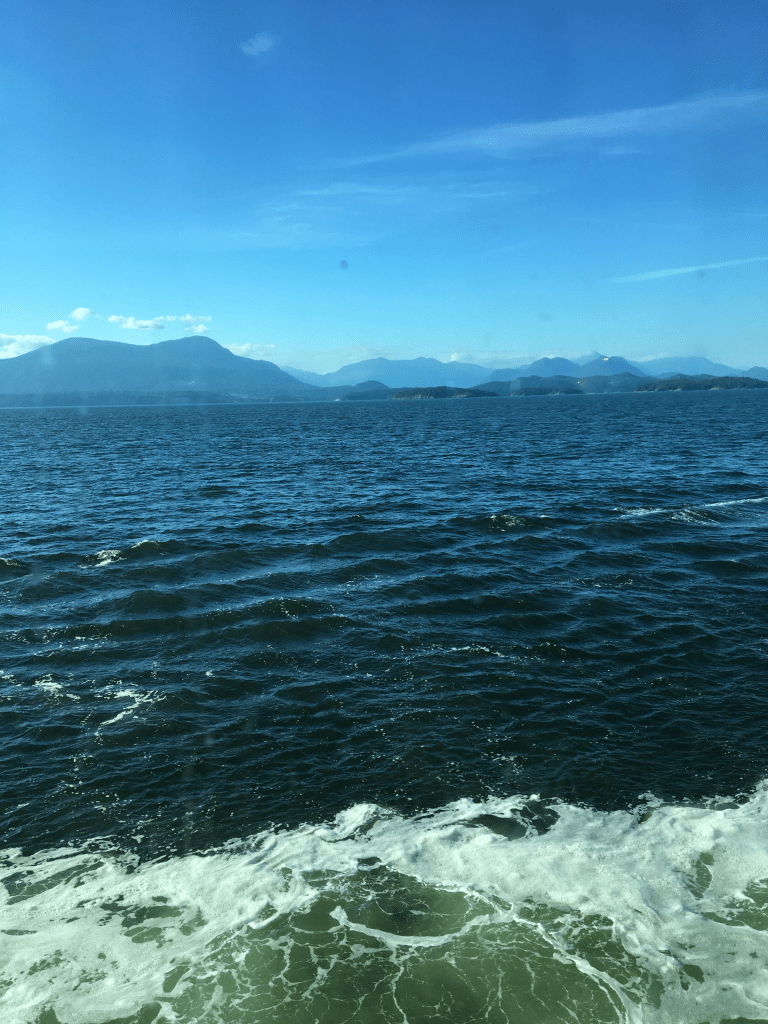
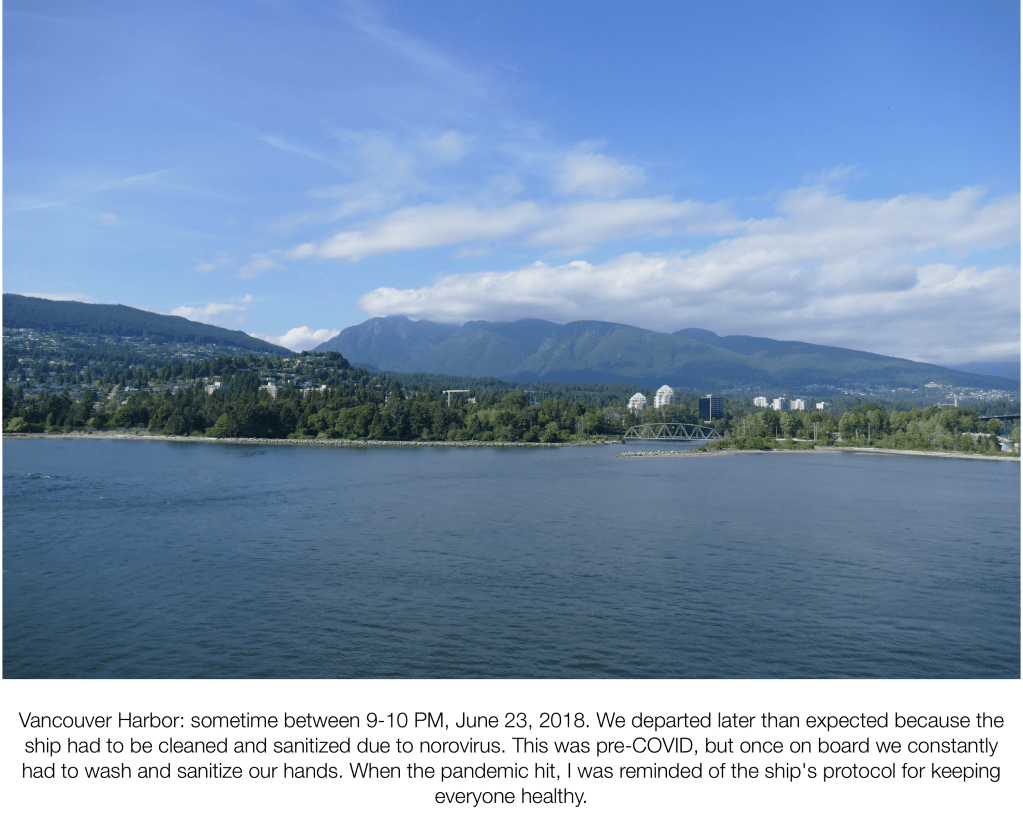
In late June my family joined my mother and her partner in Vancouver; there were seven of us in all. We spent a few days seeing some of the city, before embarking on a cruise to Alaska.

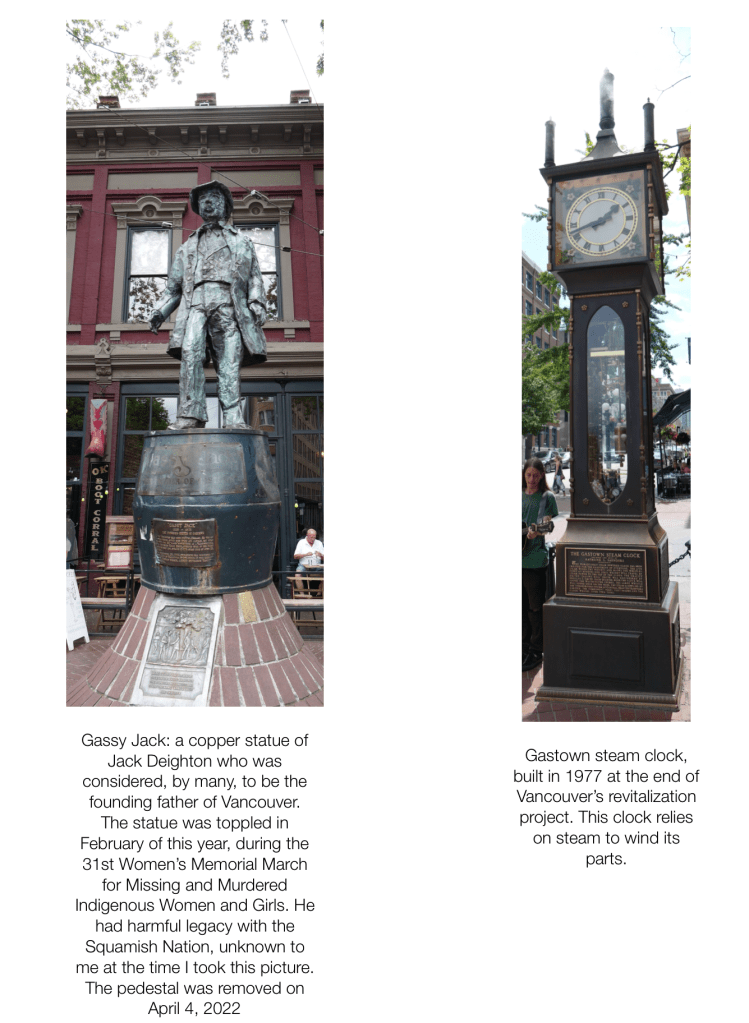
Gastown: Vancouver’s oldest neighborhood and original settlement

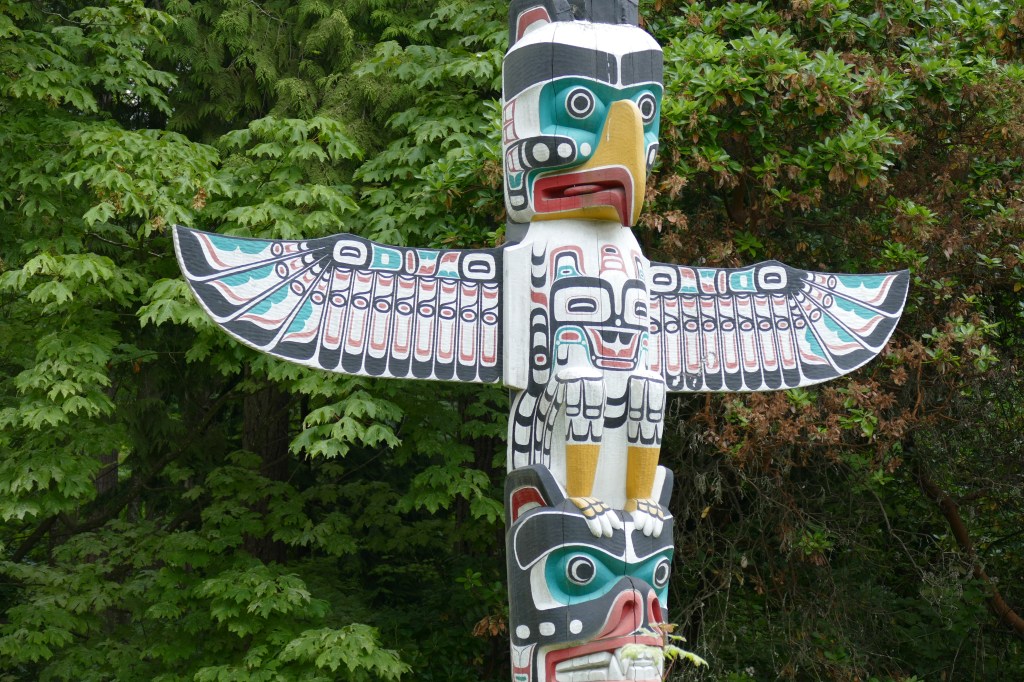
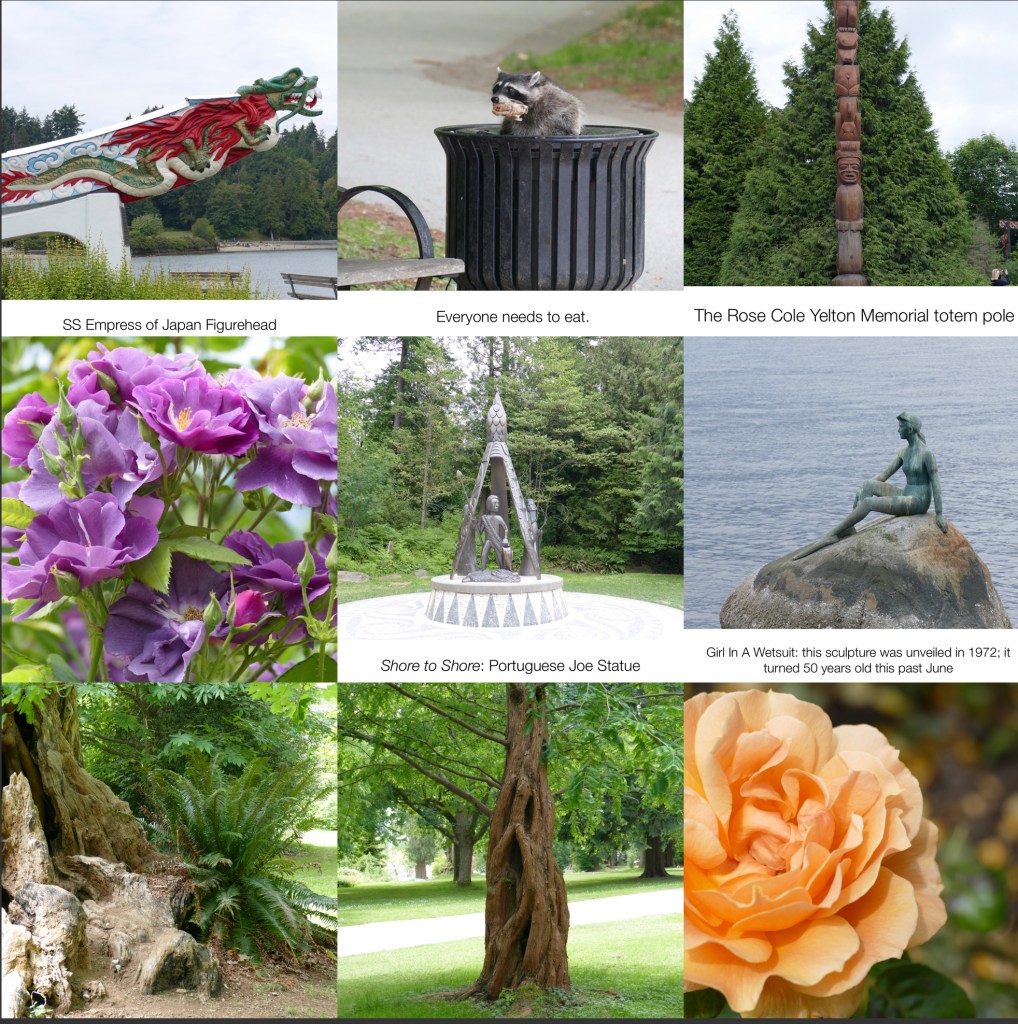
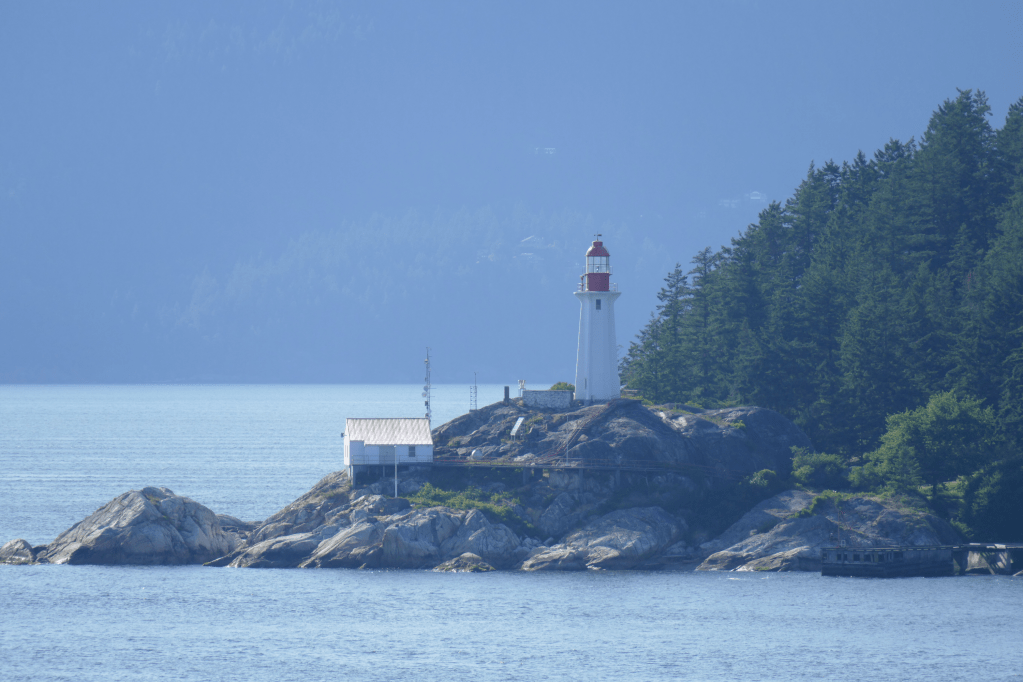
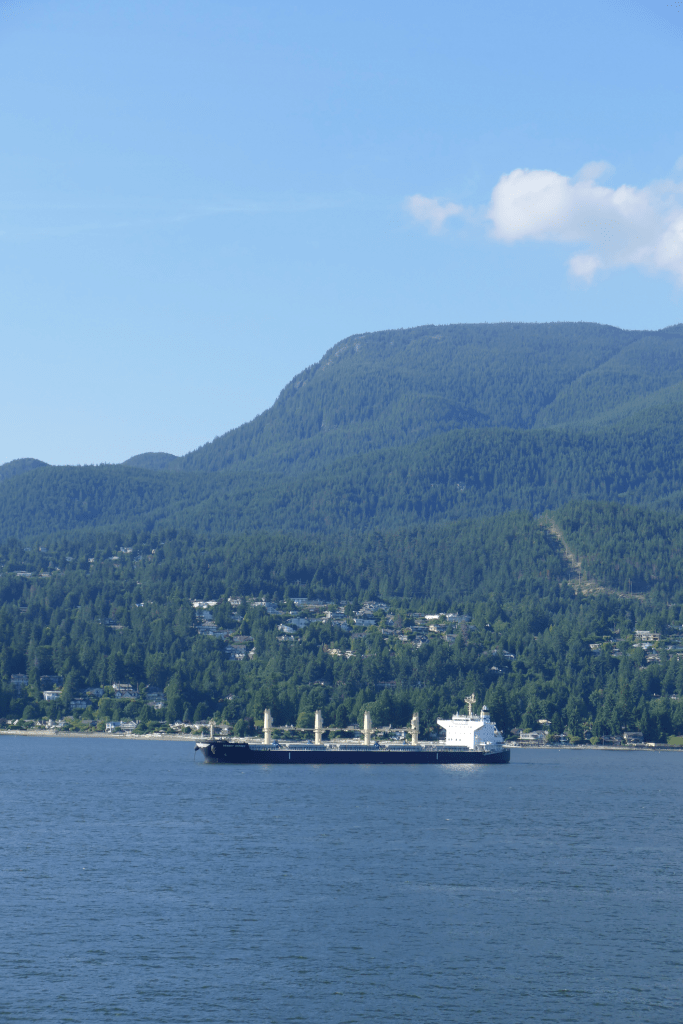
Stanley Park

On Board The Star Princess: the beginning of our Alaska cruise and land tour

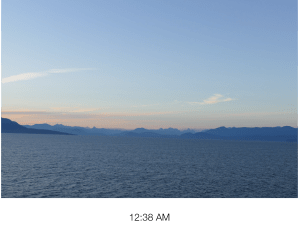
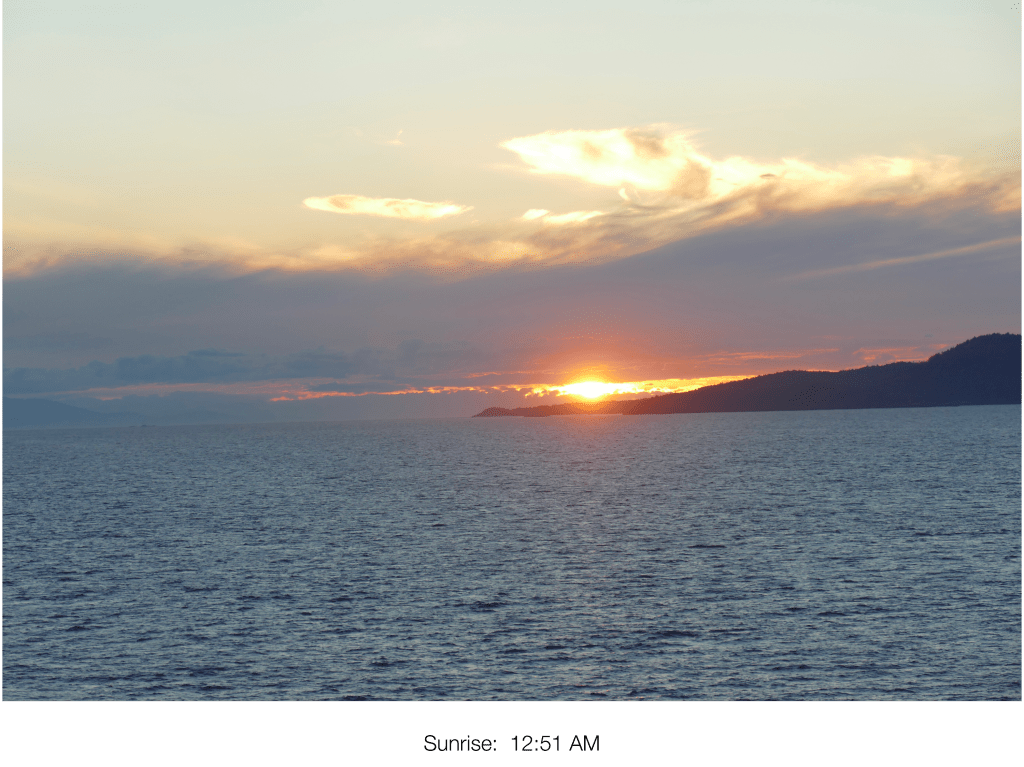
Traveling to The Land of the Midnight Sun


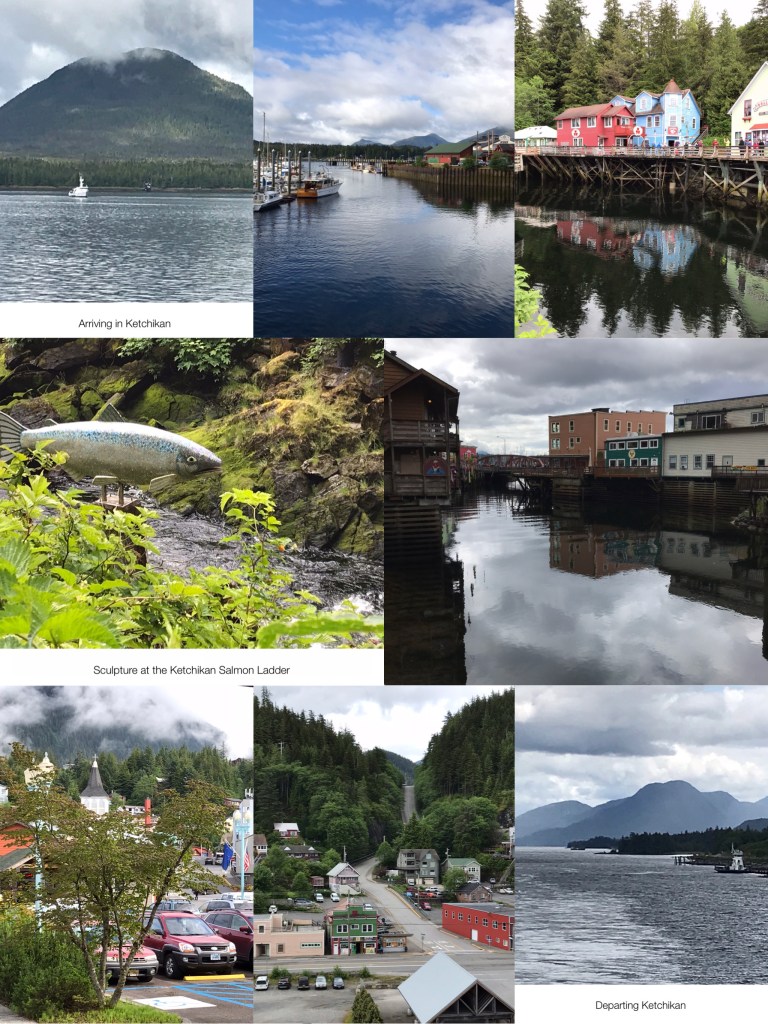
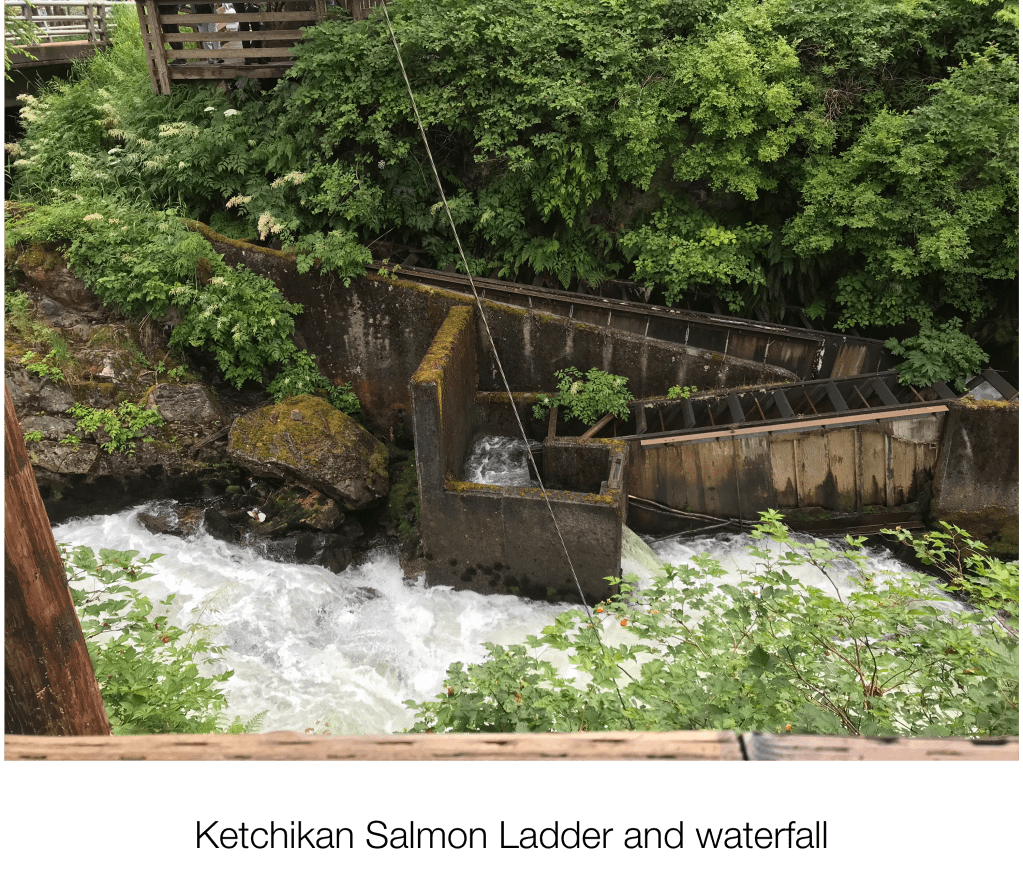
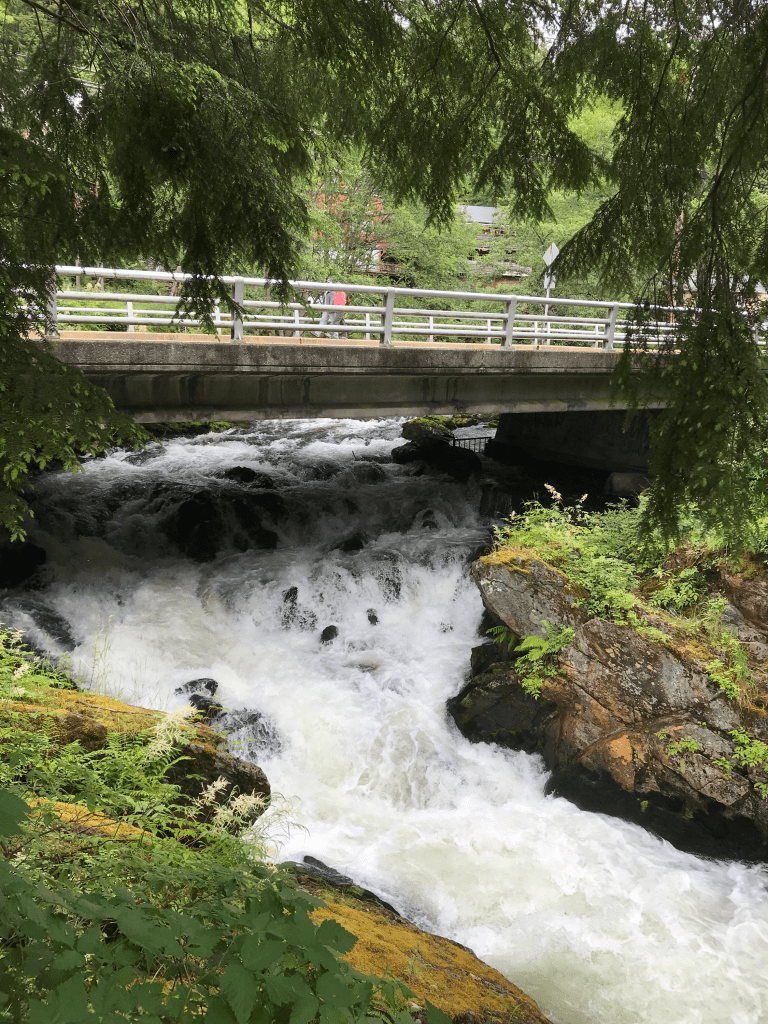
Ketchikan, our first stop, was founded as a salmon cannery site. Of the three ports of call, the time in this city was the shortest. Our time ashore was spent walking around the city, visiting the Totem Heritage Center and seeing the Ketchikan Salmon Ladder and waterfall.

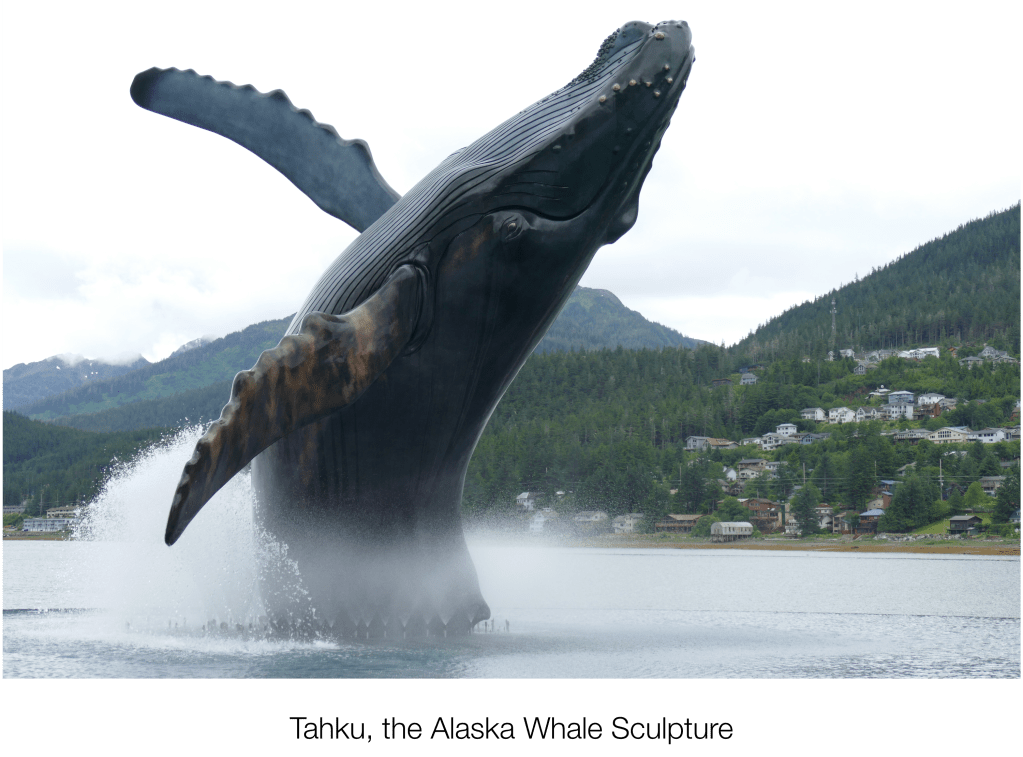
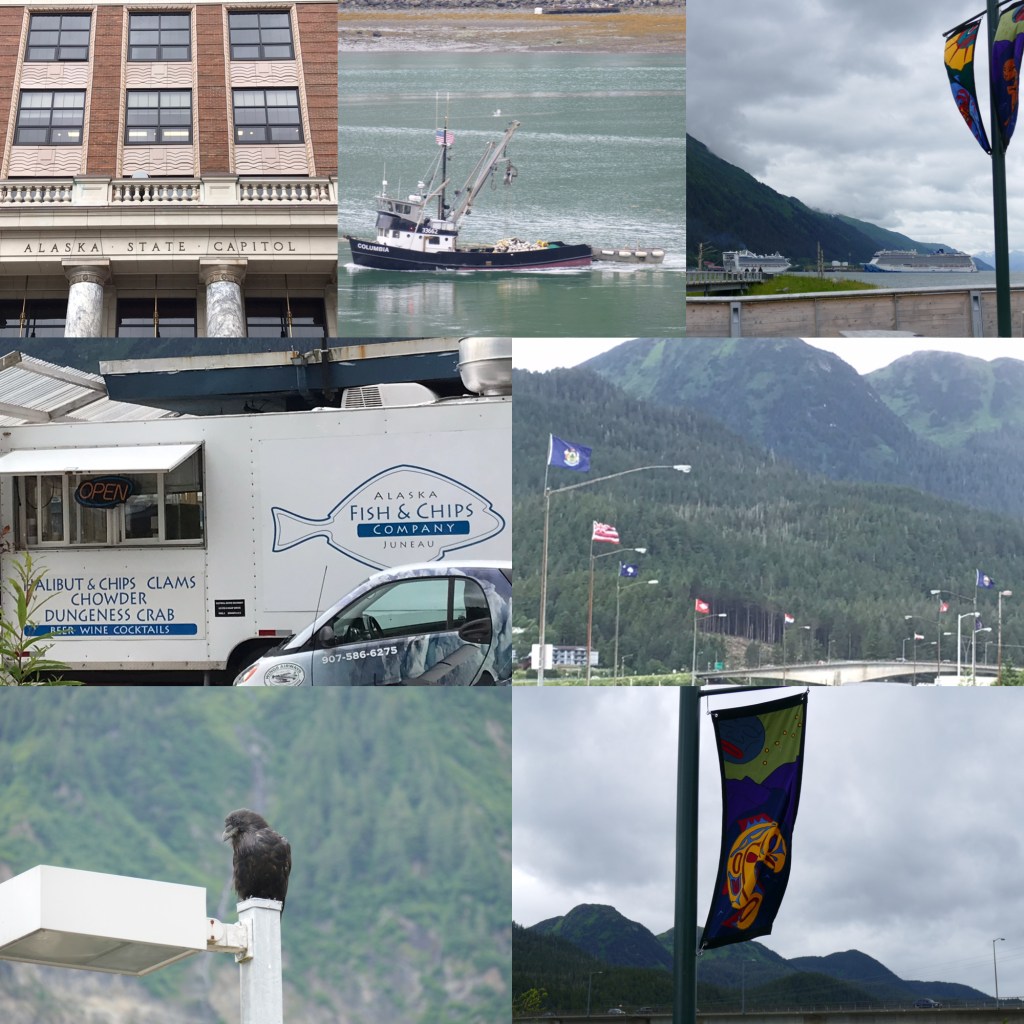
Juneau was the second port of call. We passed the morning hours walking around the capital city of Alaska….Someone, perhaps in the visitors center, told us to go to a waterfront park where there was a sculpture of a whale in an infinity pool; for me that was the pinnacle of our morning.

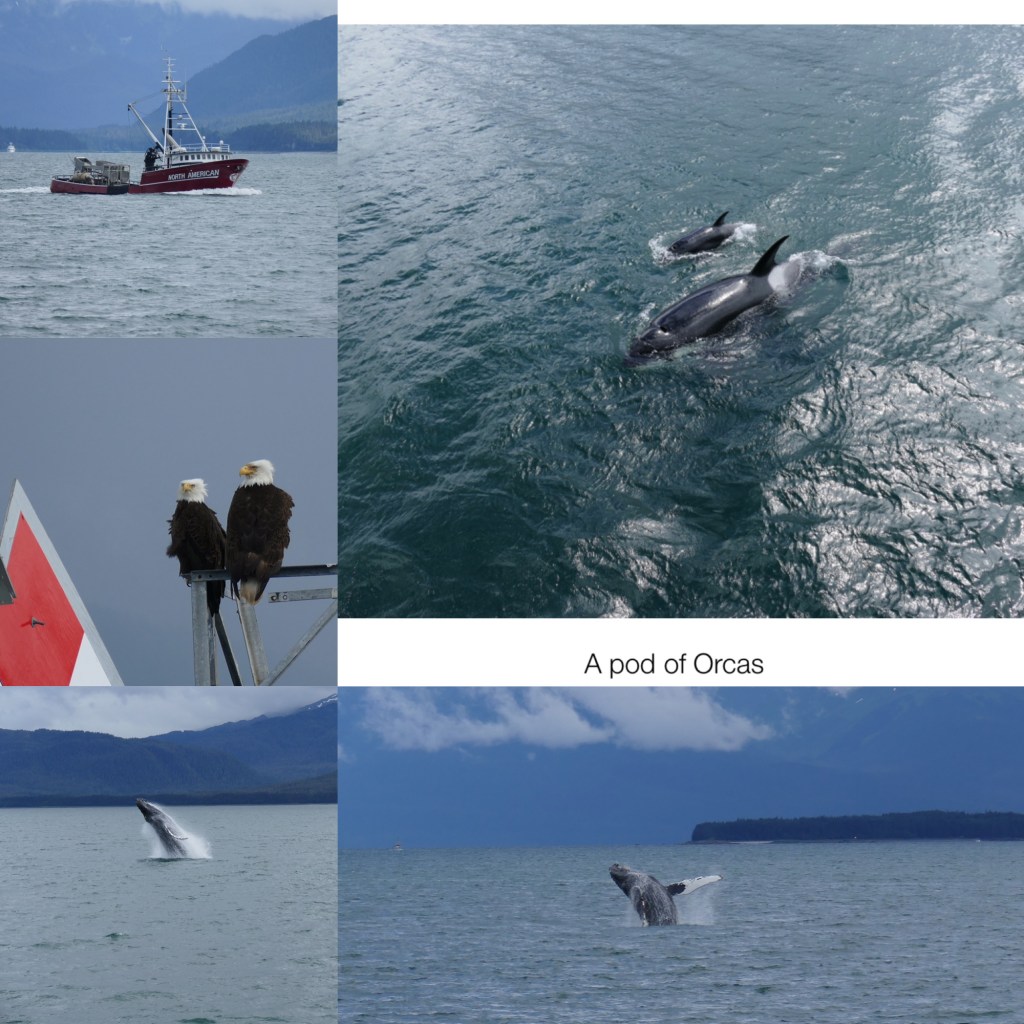
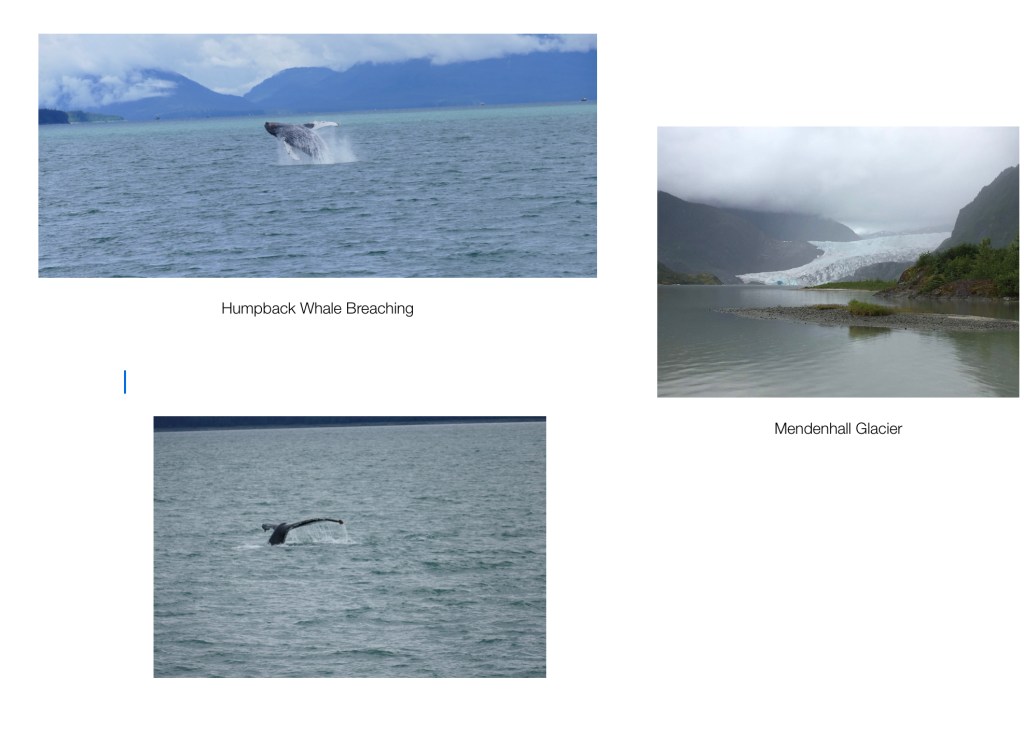
The afternoon was spent on a Whale Watching and Mendenhall Glacier tour:

Skagway, our third and final port of call, is known as a town of the gold rush era because it is a gateway to the Klondike gold fields.

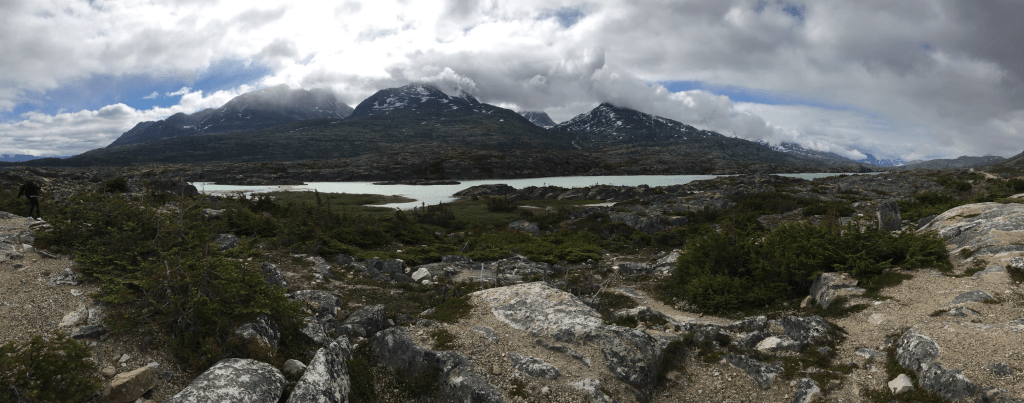
An amazing tour was taken from Skagway, by bus and railway. We had a fabulous tour guide named Bruce Schindler; he came to Skagway one summer, from Washington State, to be a guide on a tour bus and basically stayed. I mention Bruce, not only because he was such a great tour guide, but also because guiding tours was rare for him at the time. We were lucky to have him give us our tour. He had become an artist, creating sculptures and carvings out of mammoth tusks, as well as using the ivory and Yukon gold to make jewelry. Look him up.

Rail and Bus Tour

The bus took us to salmon bake buffet for lunch at Liarsville Gold Rush Trail Camp and ended at The Red Onion Saloon. I have no pictures of these.

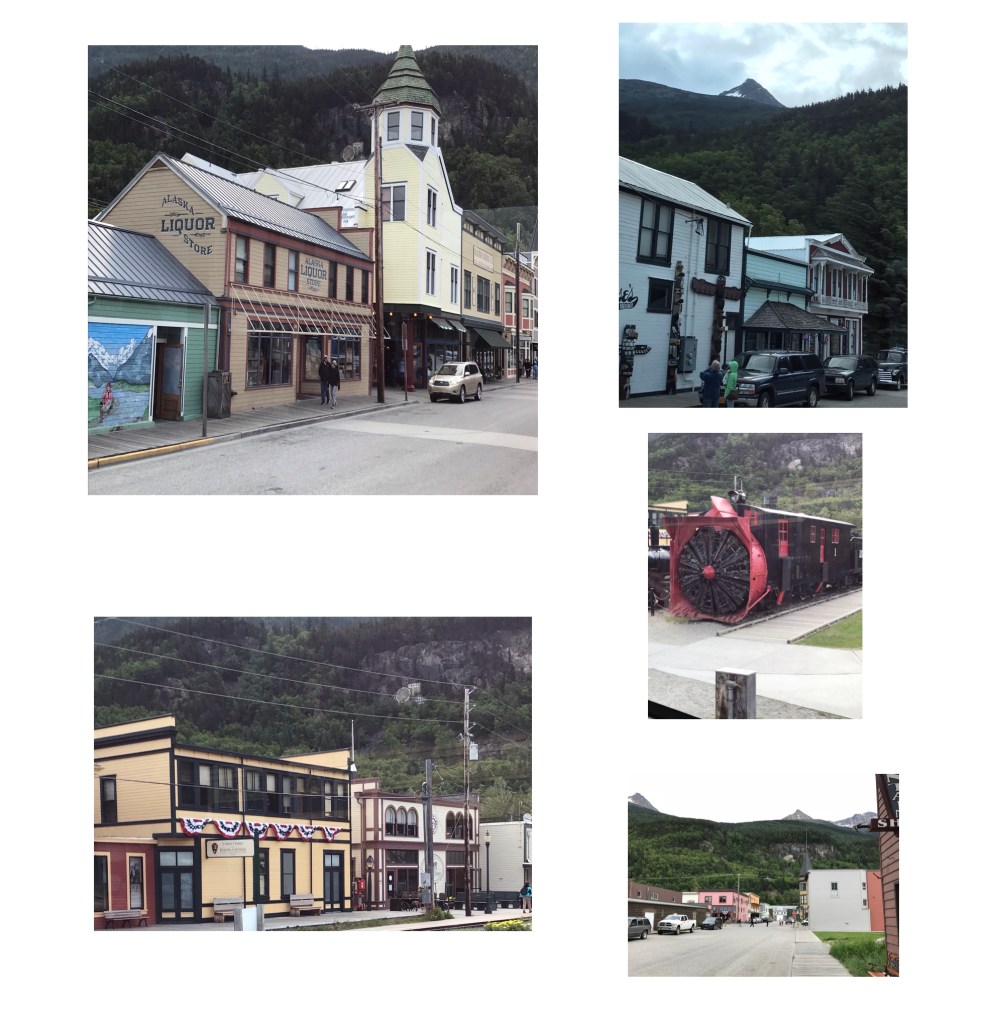
The City of Skagway 

After Skagway, we had one last big adventure aboard the ship:

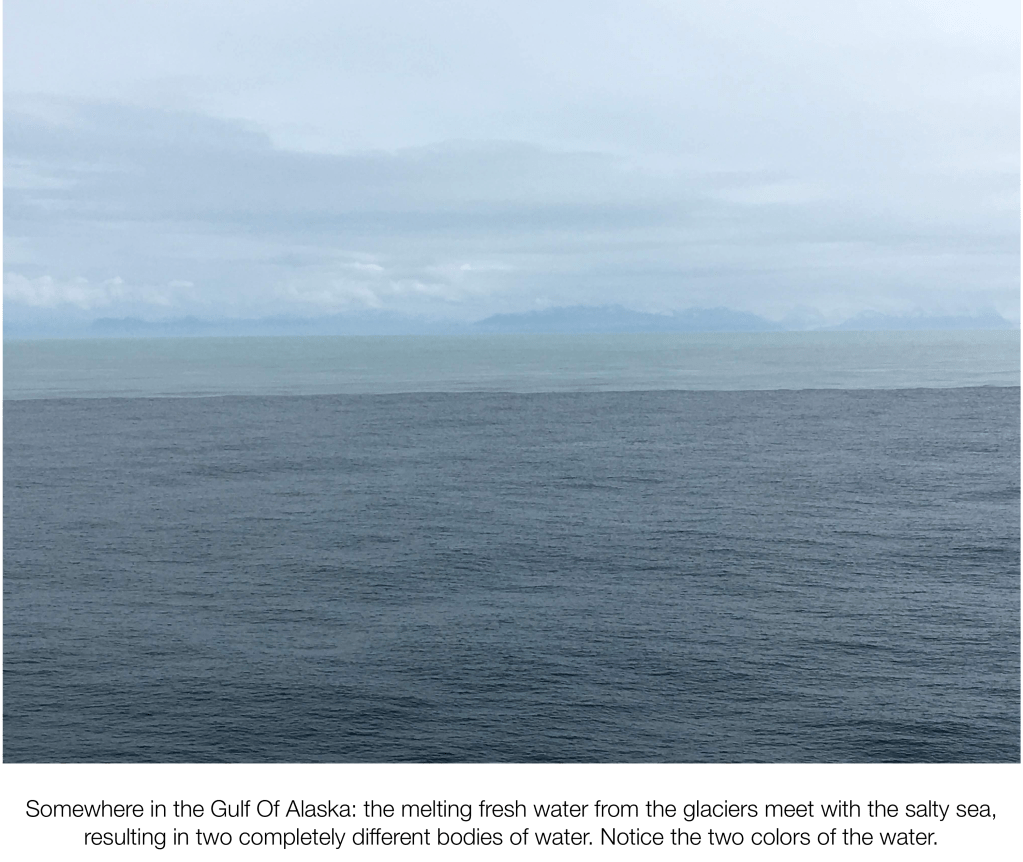
Cruising Glacier Bay National Park and Glacier Fjord

The Cruise ended in Whittier, where we disembarked. The fascinating thing about Whittier is that it was built as a secret facility during  World War II to support the war effort and provide a reliable trade route to the Alaskan Rail Road; the water here is ice-free all year making it an ideal area for a military base.

The Alaskan Land Tour Begins

On The Train

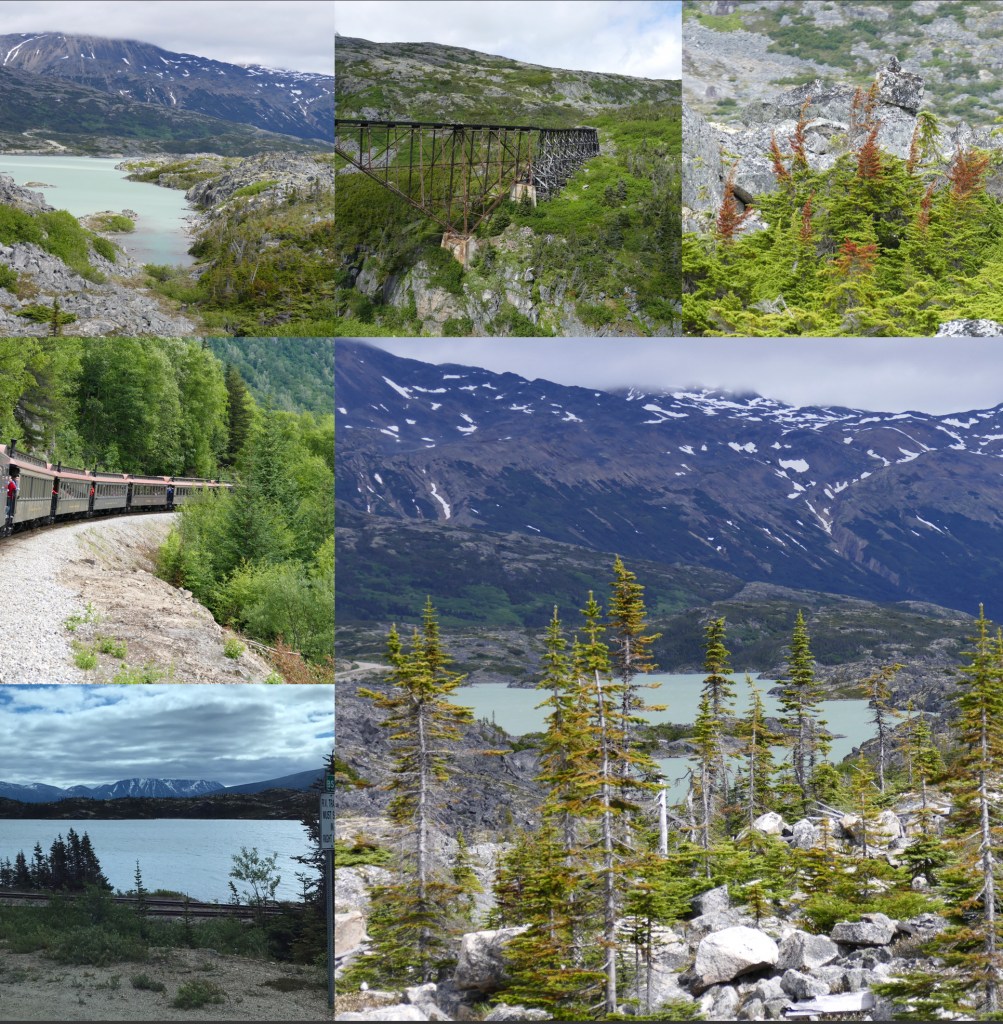
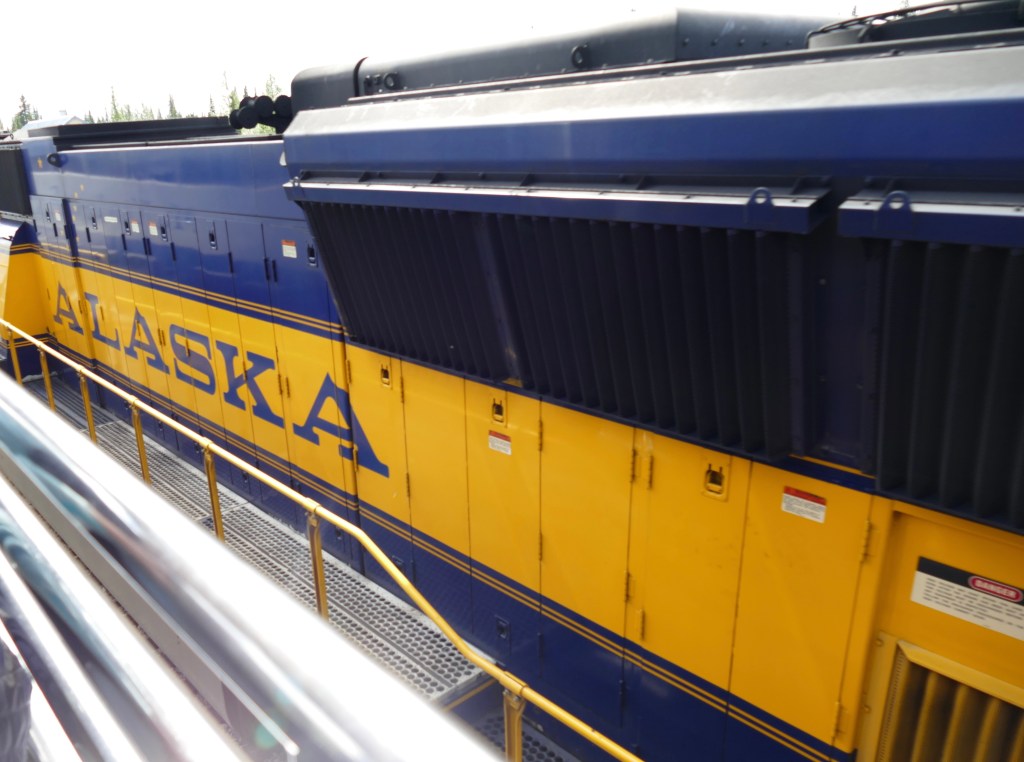
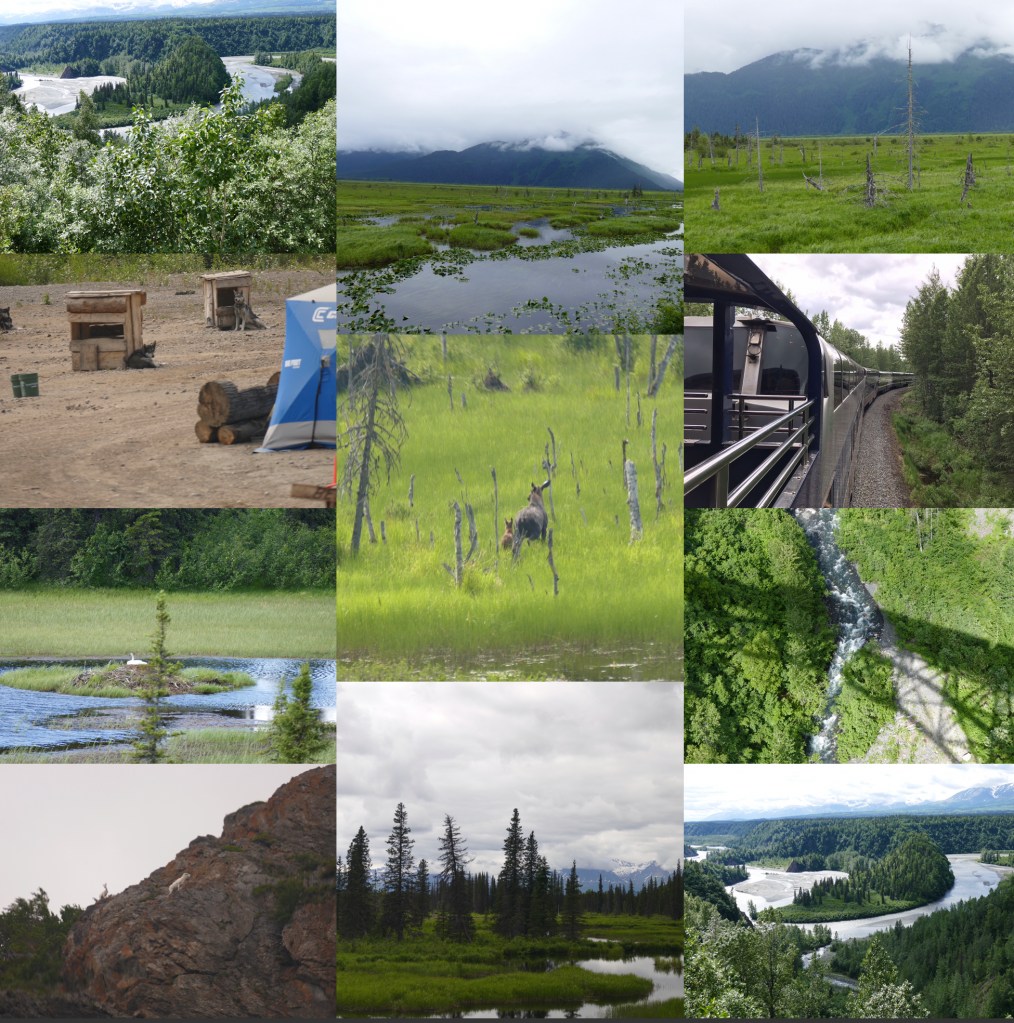
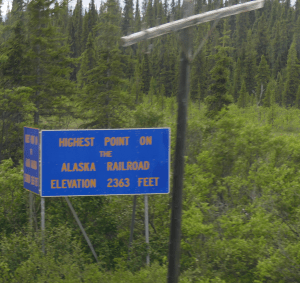
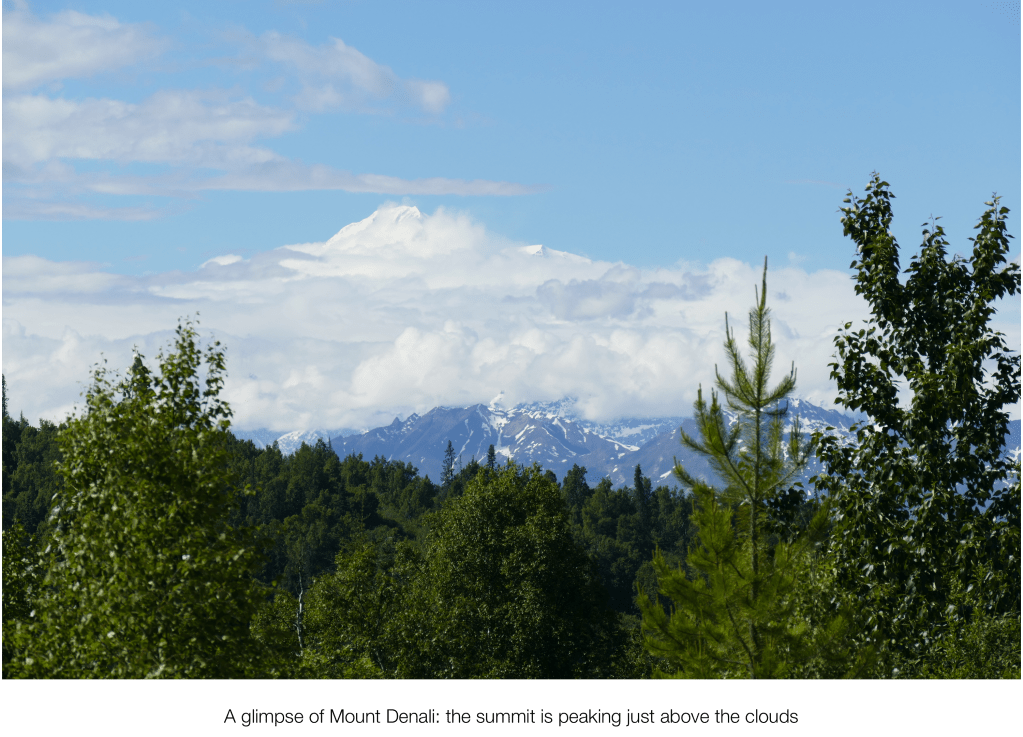
From Whittier, we boarded a train to Denali National Park. The trip on the train took about 10 hours, but we saw beautiful scenery along the way: 

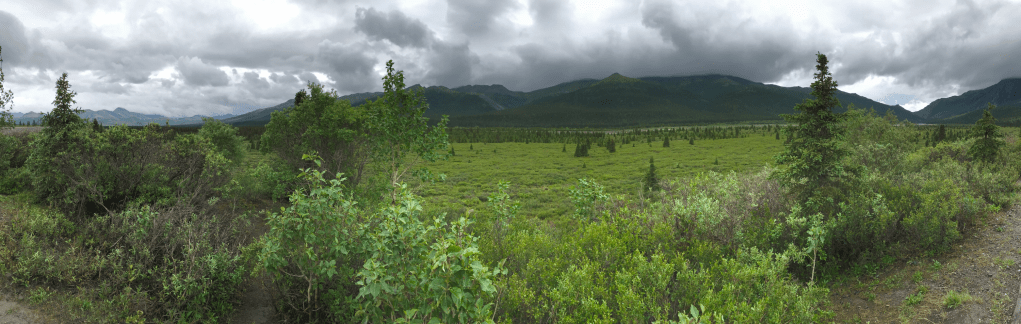
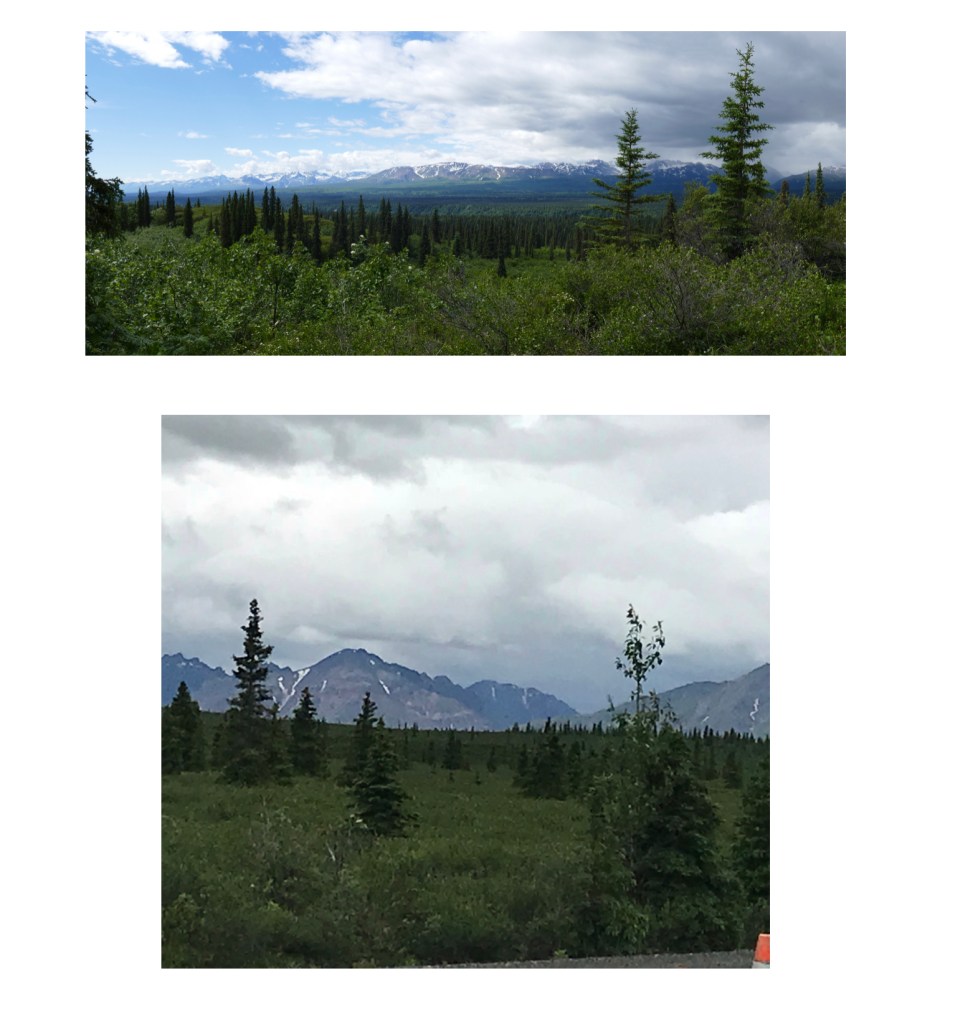
Denali National Park and Preserve 

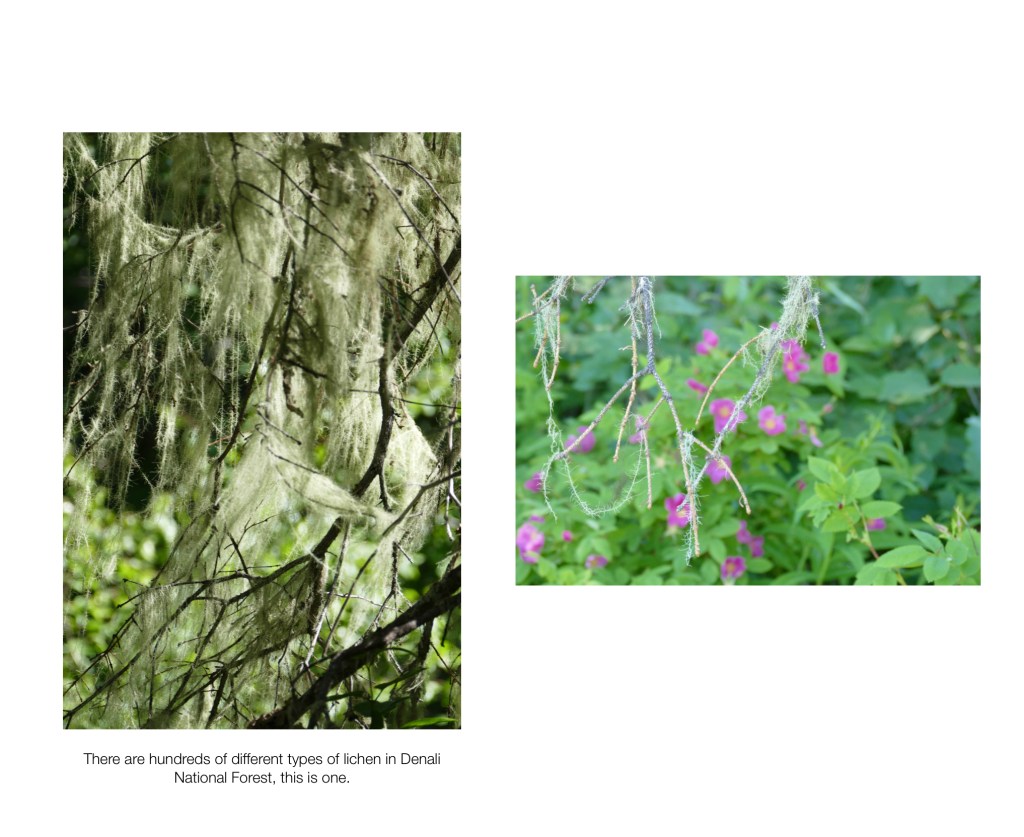
Mosses and Lichen

Moss and lichen grow in abundance in Denali National Forest.  Among other things, lichens provide a good food source for many animals and moss helps control soil erosion.

Some Of The Flora and Fauna in Denali National Forest

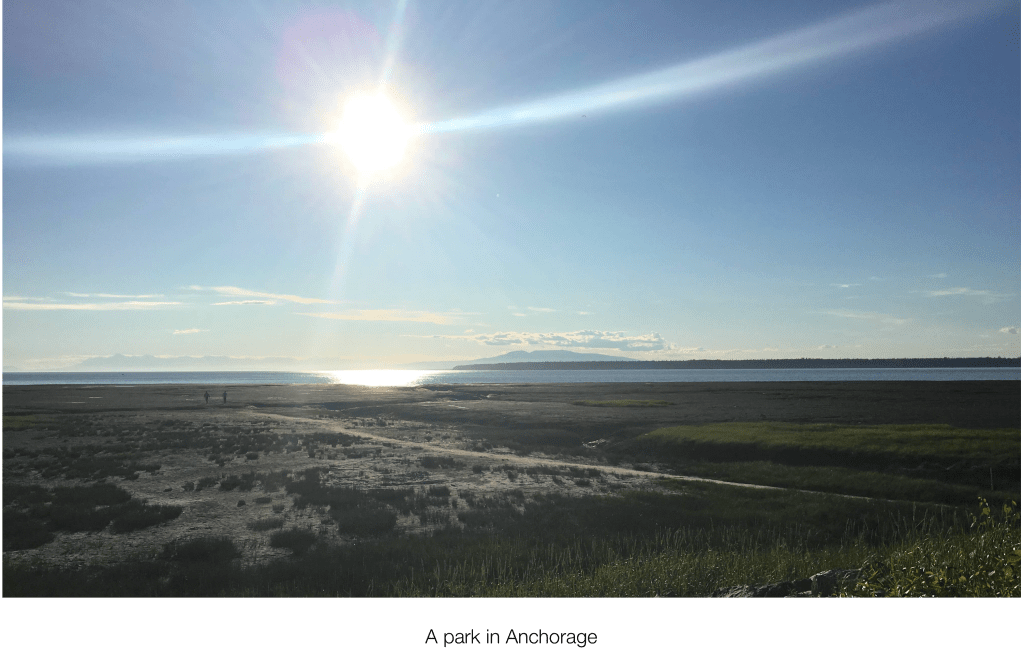
The official land tour ended in Anchorage, where an unofficial tour began

We spent a few days in Anchorage after our excursion with Princess Tours. Like most tourists in a city, we went to a museum, walked around, and ate at extremely good restaurants. 

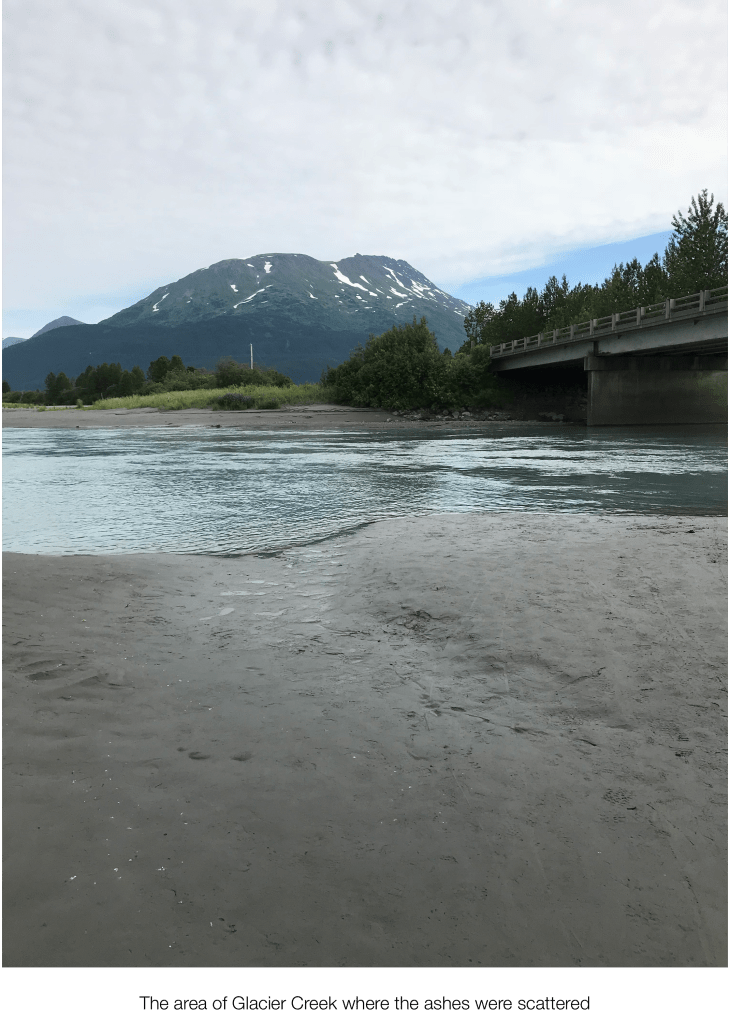
Unlike many visitors, we scattered my father’s ashes in an area south of the city called Girdwood. My father had been an anthropologist, whose work focused on the people and the land above Arctic circle.  We couldn’t make it up as far as the town called Kivalina that was so close to his heart.  A former colleague of my dad’s suggested scattering the ashes in Glacier Creek: we wouldn’t have to walk on mudflats that could be dangerous, but the water would eventually be taken out to the Pacific Ocean by way of the Gulf of Alaska. I had arranged for the remaining half of my fathers ashes to be sent to one of two Anchorage hotels where we stayed. The other portion of my father’s ashes had been scattered seven summers before on a lake in Ontario; the thought was to spread what remained of my father in the water of the two areas he loved most:  Muskoka, Ontario and Alaska.

At 10:00 in the morning, on July 4, 2108 we toasted to my dad. My three children, husband, mother and I sipped bourbon (his favorite drink) out of tiny bottles, while my mother’s partner looked on. 

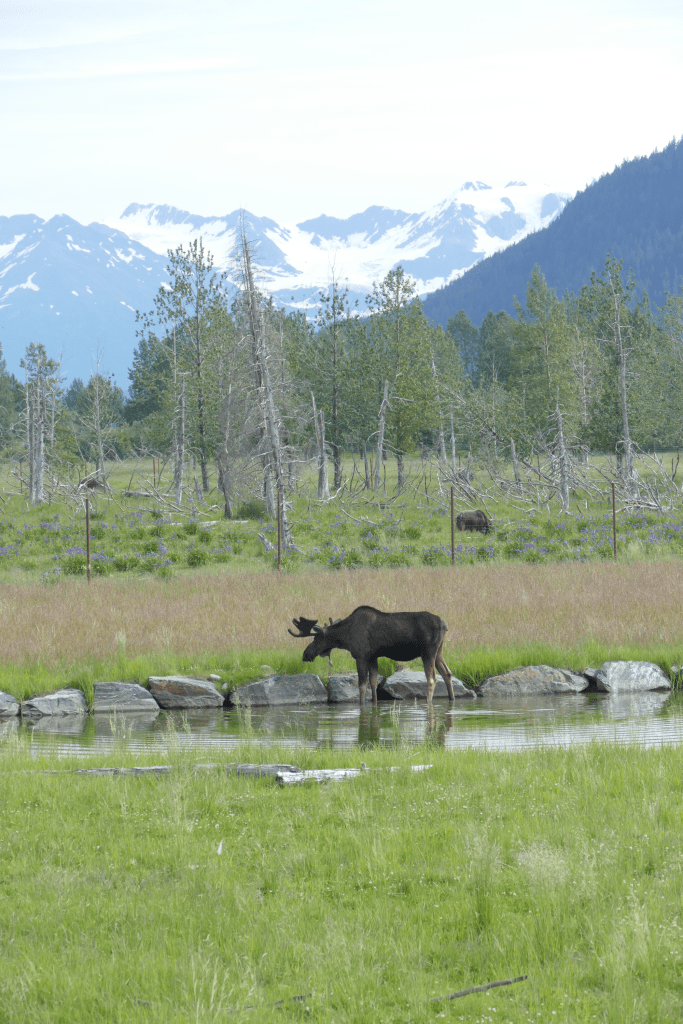
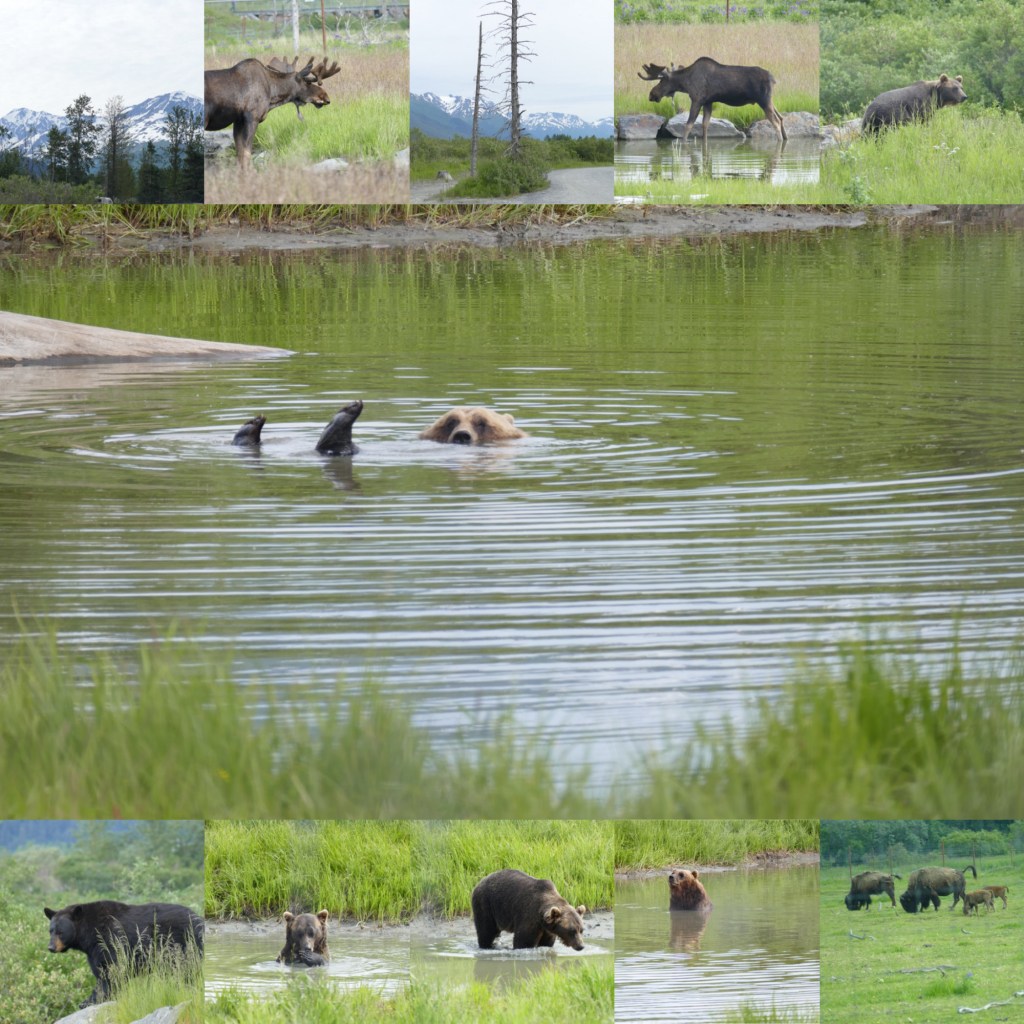
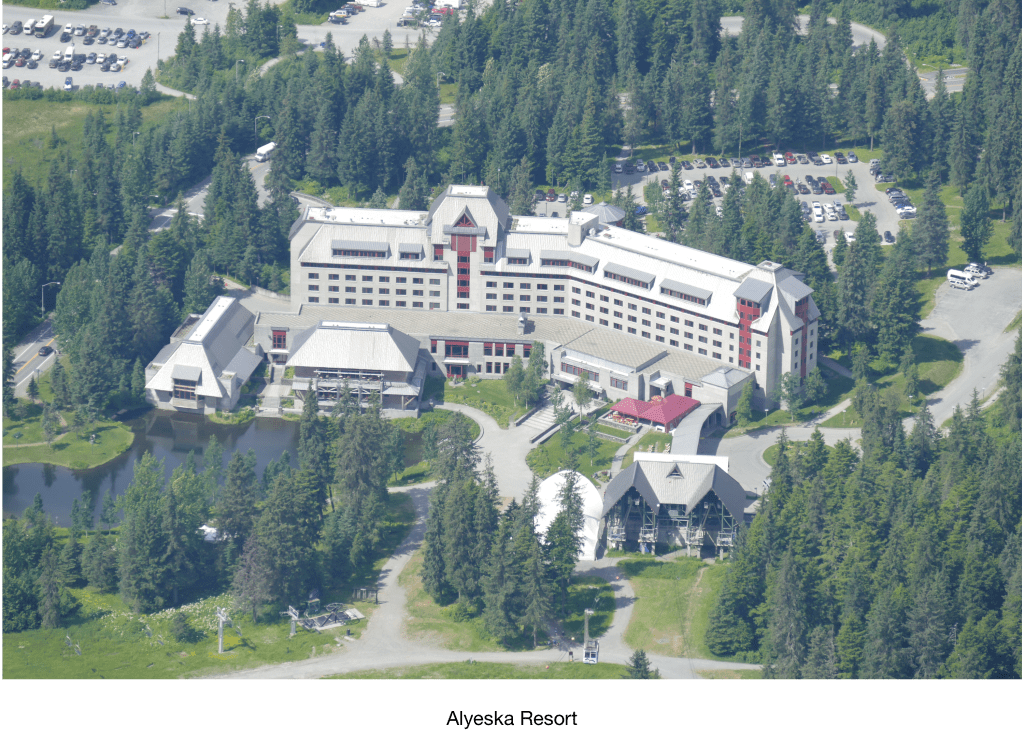
After the ashes were scattered, and we said our goodbyes, there were two more stops on that little road trip: Alaska Wildlife Conservation Center and Alyeska Resort.

Alaska Wildlife Conservation Center

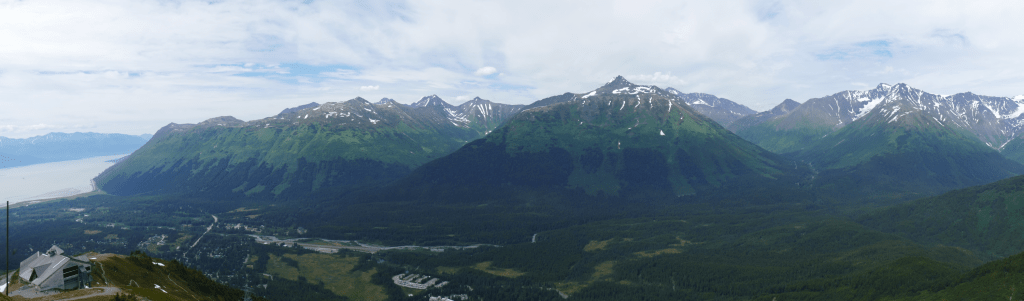
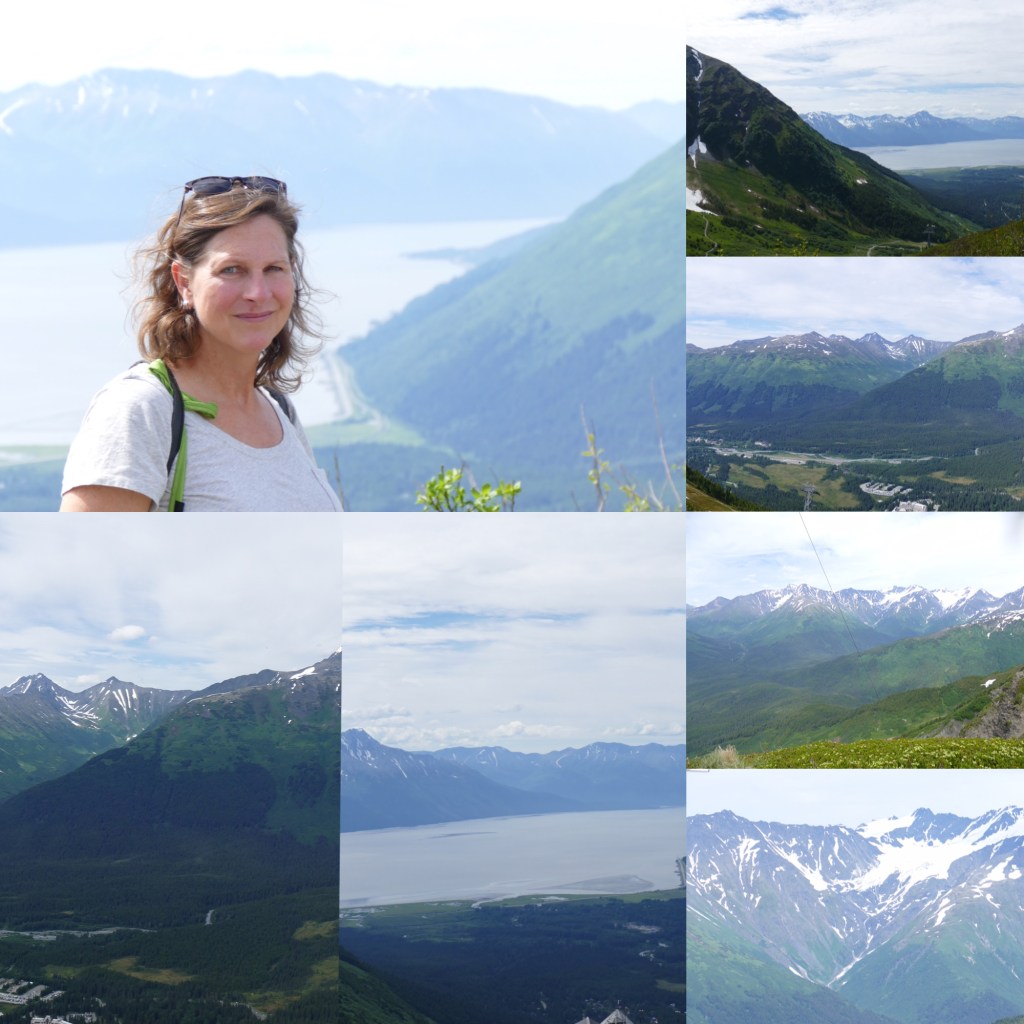
The Views from above Alyeska Resort

Our Final Day In Alaska

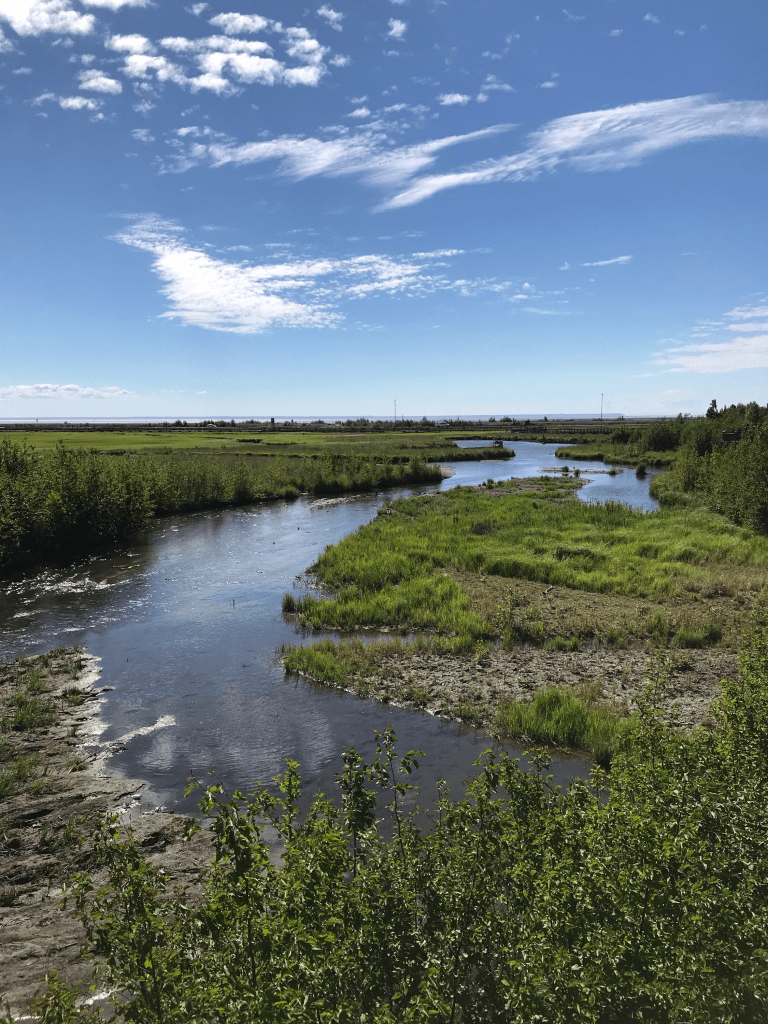
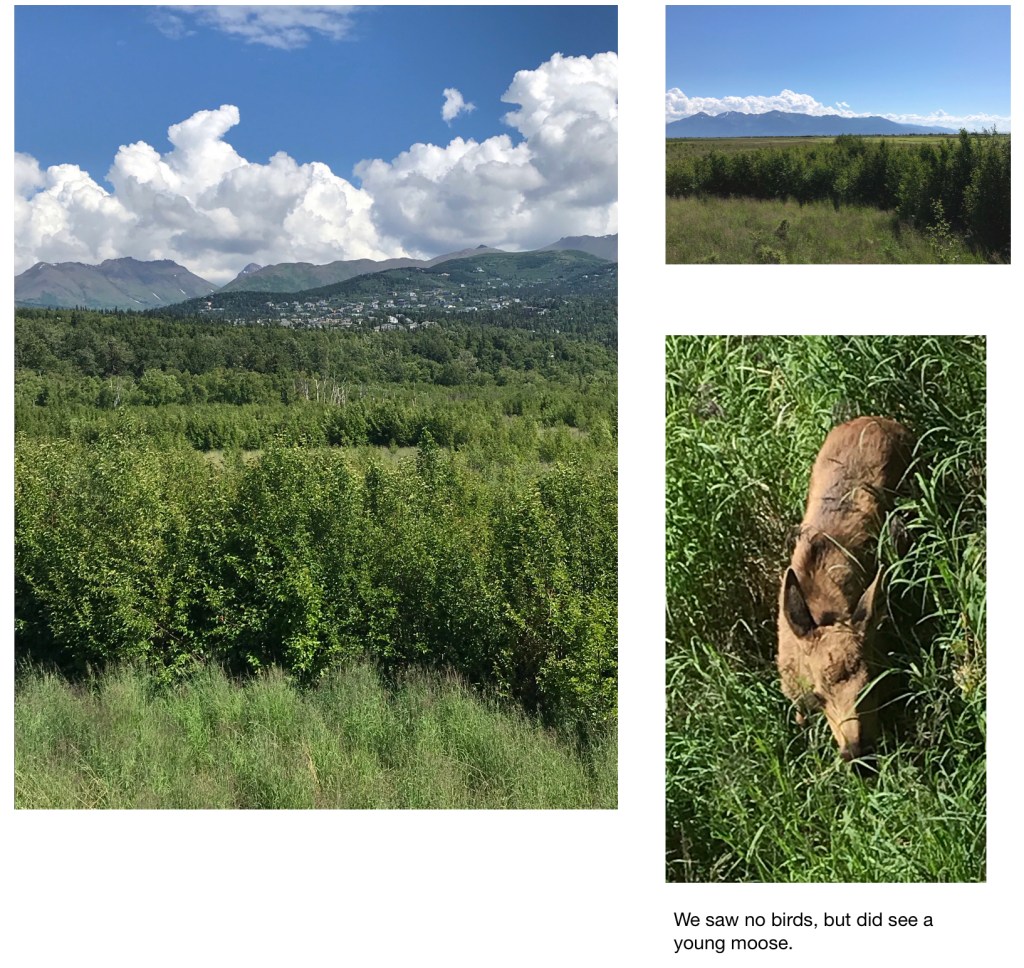
On our last day in Anchorage we had one final destination: Potter Marsh Bird Sanctuary.

My mother took us on the trip of a life time! Truly this was the beginning of an ideal and beautiful summer. Unfortunately beauty can be fleeting. When we arrived in our summer home in Muskoka, about a week after our trip, our lives took us on a different kind of journey; one nobody could have expected…

On The Edge Of Being Homeless

as told to me by Laurie Jewell

Three weeks ago, a woman named Laurie Jewell reached out to me on Tell Me Your Story. The first few lines of our chat conversation went like this:

Laurie: In need of a place to live asap, I’m disabled.

Me: I am sorry, I cant help you with that.

Laurie: Ok. Your headline says tell me your story; I did.

Me: Oh, now I understand. Sorry, I thought you were asking me for help in finding a place to live. I do apologize!

We chatted for quite a while. As it was late, I promised to get back to her the next evening. Unfortunately, life got in the way, and I never finished our conversation. Yesterday, Laurie reached out to me again….the following is her story:

Not long ago, Laurie ( a woman in her mid-late 60’s) was told that she needs to leave her home of many years. The people who own it, in Springtown, Texas, have decided to sell. By July 30, everything has to be packed and her house has to be vacated. Today is July 16 and Ms. Jewell has nowhere to live.

At the age of 55 or 56, Laurie was diagnosed with Torticollis. According to John Hopkins medicine this is what the condition is:

Torticollis, also known as wryneck, is a twisting of the neck that causes the head to rotate and tilt at an odd angle.” (To see more go to: https://www.hopkinsmedicine.org/health/conditions-and-diseases/torticollis-wryneck).

Her neck lies on her shoulder. When asked what the doctors did for her, I was told, “They gave me a neck brace made out of foam and I got a big blister from the heat”.

The life this woman once led has changed drastically.

Years ago, before Laurie had Torticollis, she would walk 9 miles to and from her job. Working the third shift at CVS, she would be on her feet all day. No longer can Ms. Jewell run or play with the grandkids. The easy mobility once known, has disappeared: the top of Laurie’s spine is crooked, her leg goes numb and she loses her balance a lot. A walker helps her move around.

Laurie told me she does very little in life anymore, but cry… Her landlord, said something to her children two years ago and they haven’t talked to their mother since; when she calls they hang up. The person who will soon be selling Laurie’s home, has known her for 32 years, yet will not even help to take her to the doctor.

Soon Ms. Jewell will become homeless. She is in need of subsidized, affordable housing, with access for her walker. Springtown is about a 35 minute drive from Fort Worth, TX. If there is anyone reading this story, who might be able to help Laurie in anyway, please message me and I will help you connect with each other.